
Last updated November 21, 2026
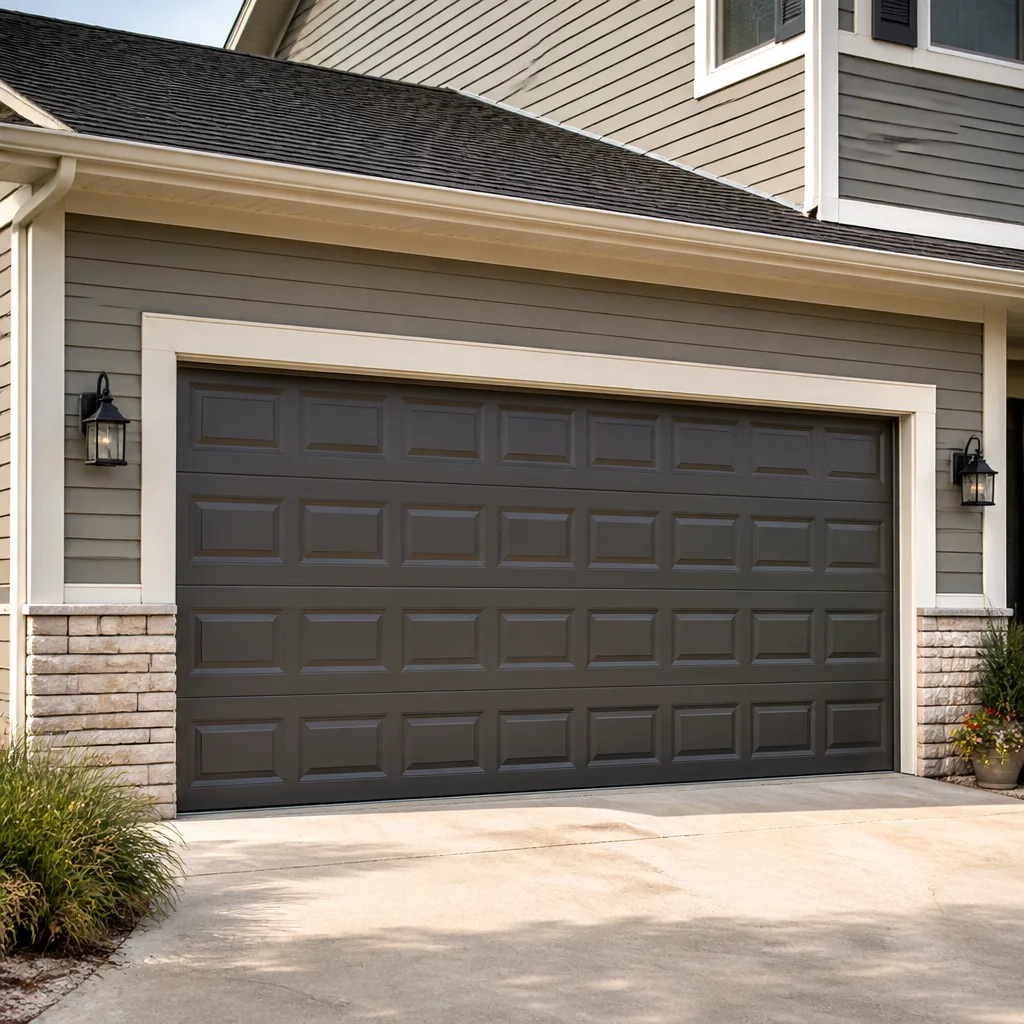 Raised-panel steel
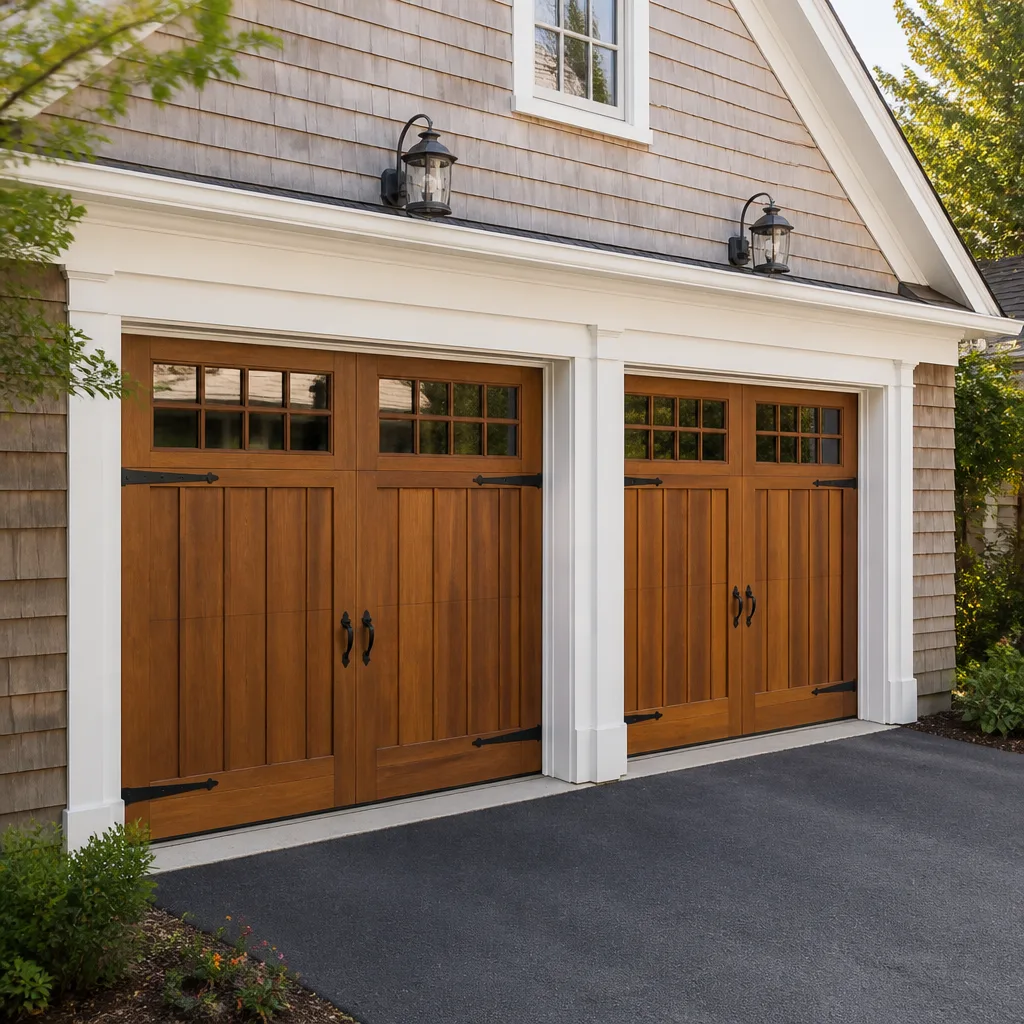 Carriage house
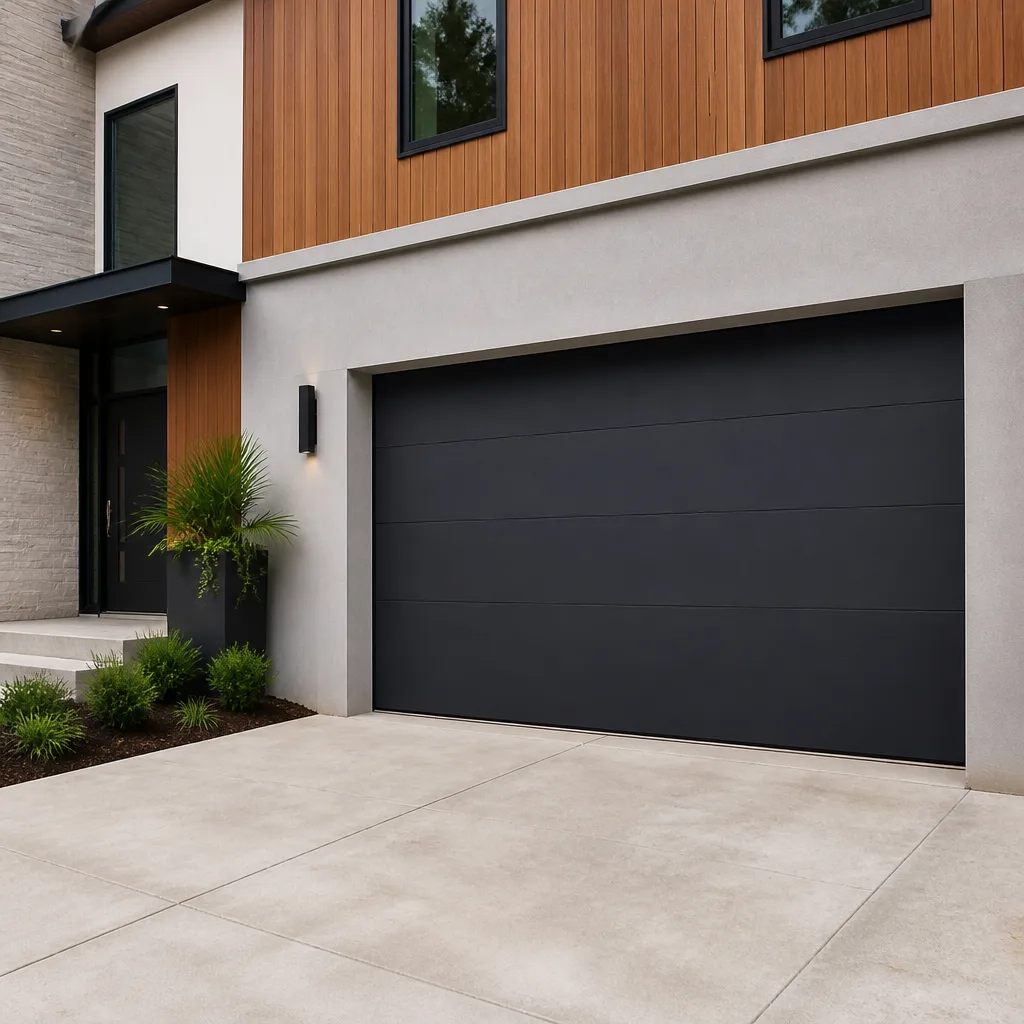 Modern flush
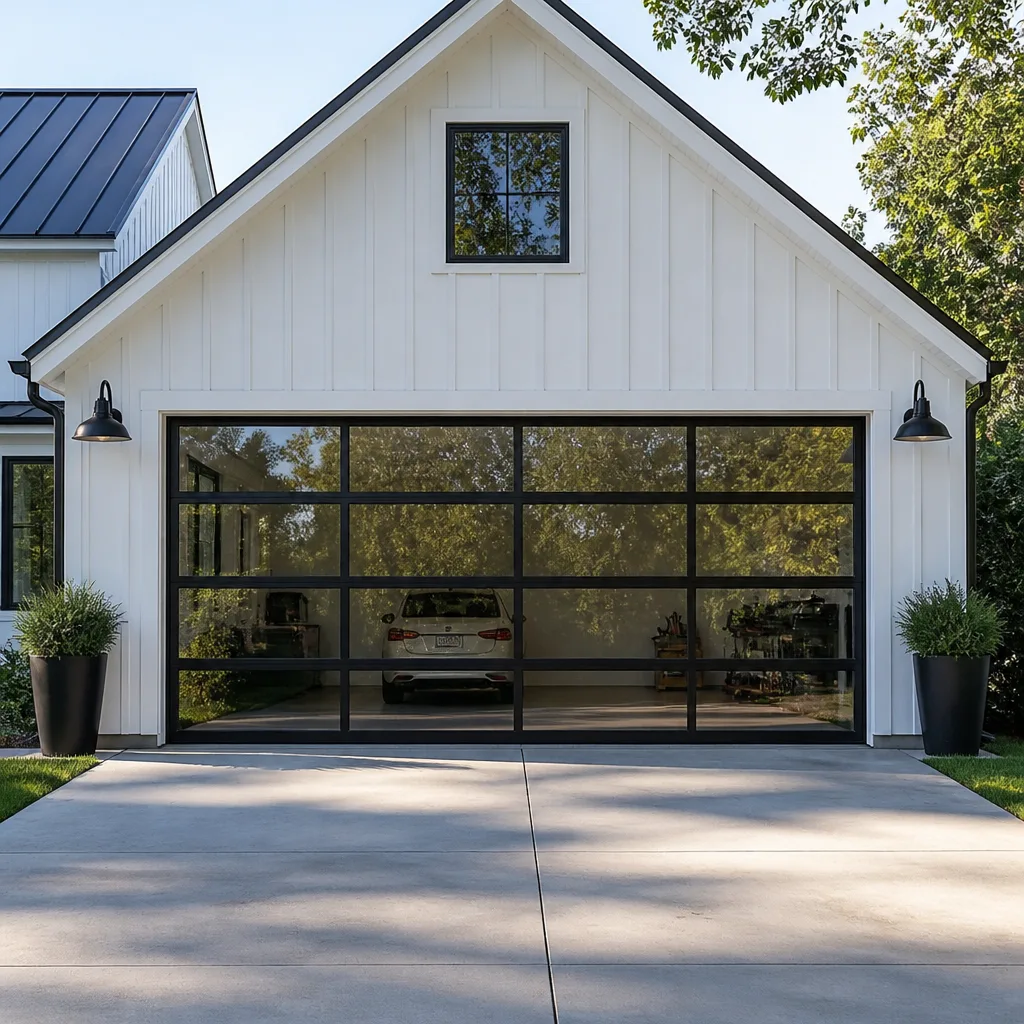 Full-view glass
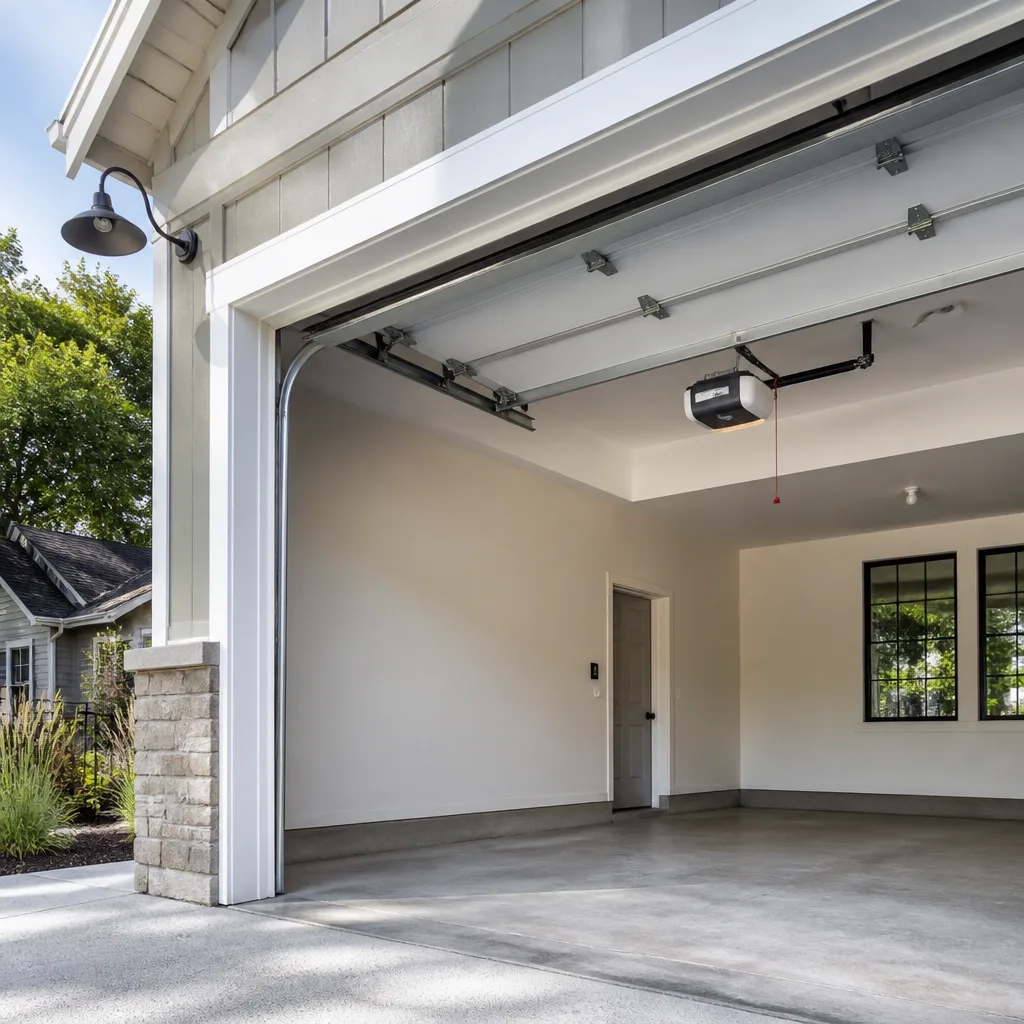 LiftMaster openers
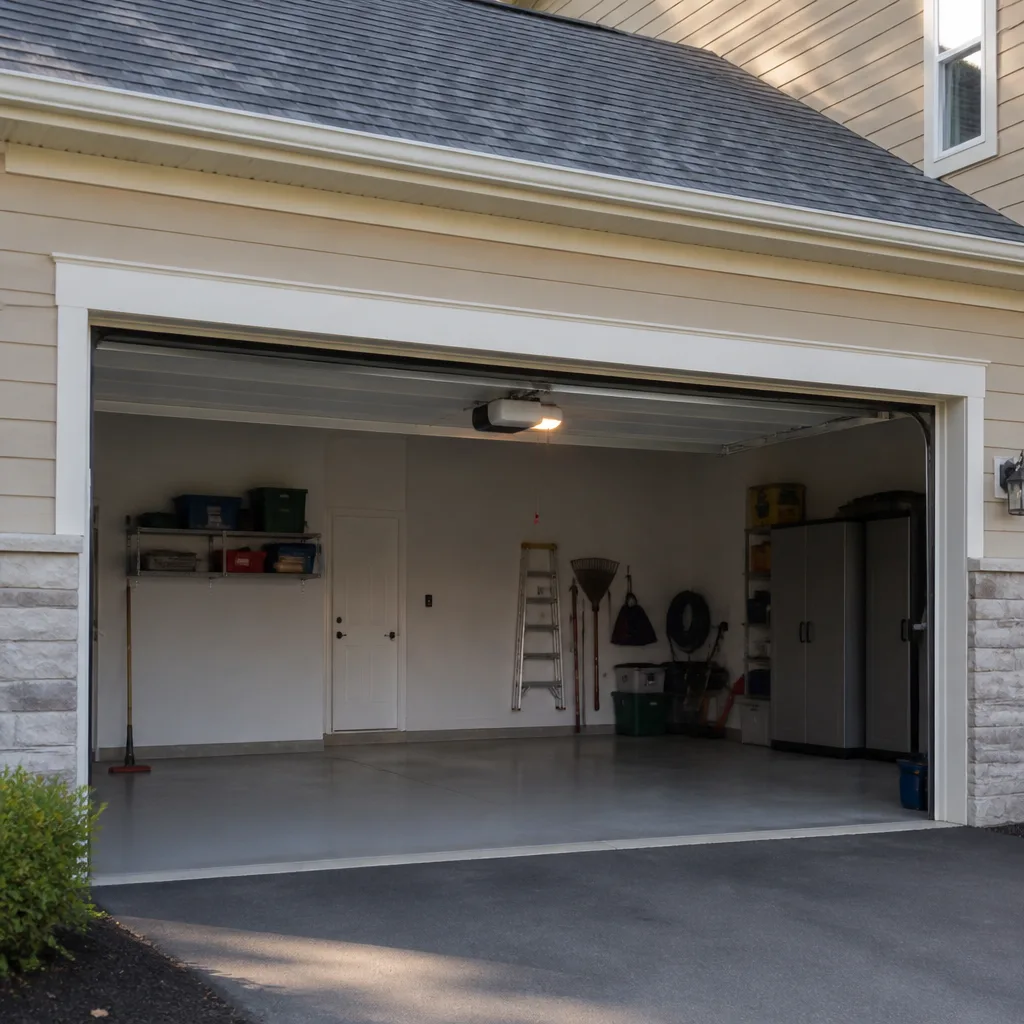 Chamberlain openers
Full 25-point door and opener safety check with every visit - springs, cables, rollers, tracks, and your LiftMaster or Chamberlain opener included
You get a price before we start. It does not change when the pro arrives.
Get your free estimateGarage Door Permits, Codes & Inspections in Odenton, MD: What You Need to Know
Most homeowners assume a garage door replacement is simple maintenance, like swapping a light fixture. It isn’t. In Anne Arundel County, a garage door can be a structural, fire-rated, wind-rated component of your house, and the county may treat its replacement as permitted construction work. That surprises a lot of people in Odenton, including some contractors who dabble in doors. We’re a garage door specialist, and we get questions about permits every week. This guide lays out when a permit is likely required, what an inspection actually looks at, what happens if a previous owner skipped the step, and how Odenton’s HOA layer changes the picture.
Quick Answer
In Anne Arundel County, a garage door replacement generally needs a permit when you’re changing the door’s size, the opening’s structure, the number of doors, or a fire-rated or wind-rated assembly. A like-for-like swap of the same size door in the same opening often can be done without one, but the safest move is to confirm with the county’s permit office before work starts, because the rule depends on what’s actually changing. Inspections focus on attachment, safety devices, and code compliance, not cosmetics.
Styles & brands we work with
- Raised-panel steel
- Carriage house
- Modern flush
- Full-view glass
- LiftMaster openers
- Chamberlain openers
Table of Contents
- Does a garage door replacement require a permit in Odenton?
- Anne Arundel County’s threshold: new installation vs. like-for-like swap
- What Maryland’s adopted IRC means for door selection in Odenton
- The inspection checklist an Anne Arundel inspector actually uses
- The two most common inspection fail points
- What to do if the previous owner never pulled a permit
- HOA requirements that layer on top of county code
- How to hire a garage door pro who handles permits correctly
Does a garage door replacement require a permit in Odenton?
The short version: sometimes, and the distinction matters more than most people realize. A permit is typically required when the work involves structural changes to the opening, a change in door size, an added or removed door, or any assembly that carries a fire rating or wind rating. The county wants to know that a garage door opening – which is a big hole in the exterior envelope of your house – still meets the same structural and safety standards it did when the home was built or last permitted.
A straight replacement where the new door matches the old one in size, weight, and function may not trigger a permit at all. This is what people mean by “like-for-like.” If you’re replacing a 16×7 Clopay door with another 16×7 Clopay door in the same track and hardware configuration, there’s often no structural alteration involved. If you’re converting two 8×7 doors into one 16×7 opening, that’s structural, and the county will want plans.
Where this gets slippery in Odenton is the phrase “same size.” A door can measure the same width and height but carry a different weight, spring tension, or safety configuration. If the new door adds a different spring system or changes the load on the header, some inspectors treat it as a changed assembly rather than a direct swap. We’ve seen doors in Odenton’s planned communities pass a casual visual check and fail a permit inspection because the paperwork didn’t match what was installed.
Here’s the honest framing: don’t guess. Call the Anne Arundel County permit office with the specifics of your job – old door size, new door size, whether the tracks or springs are changing, whether the opening is structural – and ask directly. The county staff answer this question every day, and the answer takes five minutes. A free call beats a surprise at closing.
Anne Arundel County’s threshold: new installation vs. like-for-like swap
The single biggest source of confusion is the difference between an installation that requires a permit and a swap that doesn’t. In our experience with Odenton homeowners, it breaks down like this:
Jobs that usually require a permit
- Converting a single-car opening to a double-car opening, or the reverse.
- Changing the width or height of the existing opening.
- Adding a new door where there wasn’t one before (finishing a garage, enclosing a carport).
- Adding or removing a door from a multi-door opening.
- Changing a fire-rated assembly, such as the wall between a garage and living space when the door opening is modified.
- Changing a rated impact or wind-load assembly to one that carries a different rating.
Jobs that usually don’t require a permit
- Replacing an existing door with a new one of identical size in the same tracks and opening.
- Replacing springs, rollers, cables, hinges, or the opener on an existing door.
- Servicing the door’s hardware, tracks, or safety sensors.
Note the word “usually.” The county makes the final call, and the call can differ based on the inspector, the specific opening, and the history of permits on the property. When a replacement is scheduled, our technicians check the door’s current configuration against the new unit and flag anything that looks structural. That’s part of garage door repair done as a specialist – we’re not just swapping parts, we’re reading the whole assembly.
Odenton’s housing mix adds another wrinkle. The older neighborhoods closer to the MARC station tend to have garages built decades ago, some with openings that don’t match today’s standard door sizes. Those often require a permit because a new door means new blocking, new tracks, or new framing. In the newer planned communities, most garage door replacements are direct swaps, which is faster and cheaper – no permit, no inspection. Knowing which situation you’re in saves real time.
What Maryland’s adopted IRC means for door selection in Odenton
Maryland adopts the International Residential Code (IRC) as its base residential building code, and local jurisdictions like Anne Arundel County enforce it. For garage doors, that means two code areas matter more than any others: wind load ratings and fire separation.
Wind load ratings
Garage doors are the largest moving surface on most homes, and in a high-wind event the wrong door can fail at the opening and compromise the structure. The IRC requires doors to be rated for the design wind speed of the area they’re installed in. This doesn’t mean every door in Odenton needs to be a hurricane-rated reinforced unit – it means the door you install should carry a rating appropriate to the site, and the rating should be documented. When a permit is pulled, the inspector will check that the door’s wind rating matches what was approved. This is one of the reasons amateurs skip permits and one of the reasons it causes trouble later – the rating isn’t verified.
Fire separation
The IRC requires a fire-rated separation between an attached garage and the living space of a house. If your garage door replacement involves any work at, near, or through that separation wall, the code requirement kicks in. This most commonly comes up when a door’s opening is being resized, when framing is being modified, or when a garage is being converted. A simple door swap doesn’t touch the separation wall, but a structural change does, and the inspector will look for it.
For Odenton homeowners selecting a new door, this means two things. First, the door brand and model should match the code requirements of your specific opening, which the manufacturer documents. Second, the installer should be able to produce that documentation for the county. A generalist may not have it. We work with Clopay, Amarr, Wayne Dalton, and Craftsman doors, among others, and part of what we do is match the door to the site rather than selling a door and hoping it works.
The inspection checklist an Anne Arundel inspector actually uses
When a garage door job does require a permit, the inspection is more focused than most people expect. It isn’t a cosmetic review. The inspector is verifying safe function and code compliance, and the checklist is fairly consistent. Here’s what typically gets checked:
- Door and track attachment. The tracks and spring hardware must be securely anchored to framing that can bear the load. Loose lag bolts, stripped holes, or brackets attached to drywall or thin sheathing are common fail points.
- Spring and cable configuration. Springs must be correct for the door’s weight, and cables must be intact and properly routed. An inspector doesn’t measure tension, but visible sag, damage, or a misrouted cable will fail.
- Automatic reverse and safety sensors. The door must reverse when it hits an obstruction, and the photo-eye safety sensors must be aligned and functional. These are the most-tested features on the whole door.
- Manual release. The emergency release must be present, accessible, and functional.
- Wind rating documentation. When a rated door is required, the door’s rating label and manufacturer documentation must match the approved permit.
- Fire separation. If the wall between garage and living space was touched, the fire-rated assembly must be intact and properly sealed.
- Clearances and general condition. The inspector checks for headroom, side room, and whether the door moves through its full cycle without binding.
Notice that the checklist is short. An inspector spends most of their time on the safety devices and the attachment, because those are the parts that fail before anything else does. That’s actually good news for homeowners – if the door is installed correctly by someone who does this every day, most inspections pass without drama.
The two most common inspection fail points
In our experience, most failed garage door inspections in Odenton fail for one of two reasons. Knowing them in advance saves a second visit and a second fee.
Fail point 1: Safety sensors and auto-reverse not functioning
This is the single most common fail. The door needs to reverse when it meets an obstruction, and the photo-eye sensors need to be aligned and clear of obstructions. Sensors that are misaligned, mounted too high or low, or blocked by debris or a stored item will fail. So will a door whose force settings are too high to trigger the reverse. The frustrating part is that many of these doors worked “well enough” for the homeowner, which is why the fail is a surprise.
Fail point 2: Attachment and framing not code-compliant
The second most common fail is the door’s tracks and hardware not being securely attached to framing that can carry the load. This happens most often when a door is retrofitted into an older opening that was never designed for the new door, or when a DIY install substituted drywall anchors for structural screws. If the attachment is questionable, the inspector will want it redone and re-inspected.
Both fail points are preventable with a proper installation and a pre-inspection check. Our technicians verify sensors, auto-reverse, and attachment before we ever hand the job over to the inspector. When we handle a garage door opener repair on a door that’s heading to inspection, we check the safety devices with the same standard an inspector will use.
What to do if the previous owner never pulled a permit
This is more common in Odenton than most people expect, especially in older neighborhoods and in homes that have changed hands more than once. A previous owner installs a new door or opener, skips the permit, and years later it surfaces during a sale or a refinance. The new owner inherits the problem.
If you suspect work was done without a permit, here’s how the process usually goes:
- Check the county’s permit records. You can request the permit history for your address from Anne Arundel County. If there’s no record of the garage door work, you likely have an unpermitted installation.
- Have the installation inspected for compliance. A licensed garage door technician can evaluate whether the door, tracks, springs, and opener meet current code. Some unpermitted work is fine; some isn’t.
- Pull a retroactive permit. The county allows homeowners to permit existing work, sometimes called a retroactive or after-the-fact permit. You file for the permit, the work is inspected, and the county either approves it or requires corrections.
- Correct any failures. If the inspection finds issues (sensors, attachment, spring configuration), those get fixed and re-inspected.
- Get the final inspection signed off. Once approved, the permit is closed and the work is on record.
The cost of retroactive permitting is usually a permit fee plus whatever repairs are needed to bring the work into compliance. That’s a fraction of the friction an unpermitted door creates during a sale, when a buyer’s title search turns it up and the negotiation stalls. We’ve talked to Odenton sellers who learned this the hard way. It’s not a catastrophe, but it’s an avoidable delay and an avoidable hit to your negotiating position.
If you’re buying a home in Odenton, ask for the garage door permit history in your due diligence period. It’s a five-minute request that can save a week of closing stress.
HOA requirements that layer on top of county code
Odenton’s planned communities, including the neighborhoods around Piney Orchard, Chapel Grove, and the areas near the MARC station, typically carry HOA architectural review requirements. Those sit on top of county permitting – satisfying the county doesn’t satisfy your HOA, and satisfying your HOA doesn’t satisfy the county. You need both.
The pattern in these communities is usually the same. A door replacement needs an architectural request submitted before installation, and the HOA reviews it against the community’s design guidelines. Those guidelines typically cover:
- Door material (steel, aluminum, wood, or composite).
- Color, which is often restricted to a defined palette.
- Window style, panel design, and whether carriage-house styling is allowed.
- Whether the replacement must match the original builder’s door.
Approvals usually take a few weeks, which is why a garage door replacement in Odenton is rarely a same-day project even when the actual install is quick. Ordering the door, submitting the architectural request, waiting for review, then scheduling install – that’s a measured process, not a repair. Plan for a few weeks from decision to installed door.
In our experience, the HOA step is where homeowners get stuck, not the county. The fix is simple: submit the architectural request early and pick a door that’s already on the community’s approved list if one exists. Brands like Amarr and Wayne Dalton have model lines that appear on a lot of these approved lists, which makes the review faster. If you’re not sure which door your HOA allows, the best move is to ask the HOA manager before you order.
How to hire a garage door pro who handles permits correctly
The permit question is really a hiring question. A garage door specialist knows when a job needs a permit, knows how to document it, and builds the inspection into the job rather than treating it as a surprise. A generalist may not know the county’s threshold at all, and that’s where homeowners get stuck.
Here’s what to ask any garage door company you’re considering in Odenton:
- Will this job require a permit based on what’s changing? The answer should be specific to your door, not a yes or no with no reasoning.
- Who pulls the permit? Usually the contractor, sometimes the homeowner. Know who’s responsible.
- What documentation will you provide for the inspection? Door rating labels, manufacturer specs, and install details should all be available.
- What’s the schedule look like? New installation is measured, ordered, and scheduled. If a company promises same-day installation on a new door, that’s a warning sign.
- Do you work on the brand I already have? Multi-brand coverage matters if you’re swapping a door in place and reusing hardware.
We work on the brand you already have – Clopay, Amarr, Wayne Dalton, Craftsman, and several others – and we treat the permit and inspection as part of the job, not a surprise cost. Our technicians have up to 9 years of experience, and we’re a single-trade specialist. That matters for a permit job, because the inspector wants to see someone who knows exactly how a garage door assembly should be built, not someone learning on the fly.
Common Mistakes to Avoid
- Assuming all replacements are permit-free. A change in size, structure, or rating changes the permit equation. Confirm with the county before ordering the door, not after it’s installed.
- Skipping the HOA architectural request. County permits and HOA approvals are separate. Installing a door the HOA hasn’t approved can mean removing it at your cost.
- Ignoring the permit history on a home purchase. A title search can turn up unpermitted garage door work from years earlier. Ask for the record during due diligence.
- Hiring a generalist for a permit job. An inspector will check attachment, sensors, and rating documentation – areas a general handyman may not know well.
- Doing spring work yourself. Garage door springs are under extreme tension and are the most dangerous part of the assembly. Spring replacement is a trained-professional job, full stop. See our garage door spring repair page for what the work involves.
- Treating the safety sensors as a formality. The most common inspection failure is a sensor that doesn’t trip or a door that doesn’t reverse. Test both before scheduling the inspection.
- Rushing a new installation timeline. A new door is measured, ordered, and scheduled. If you’re planning around an event, start weeks early, not days.
See the difference
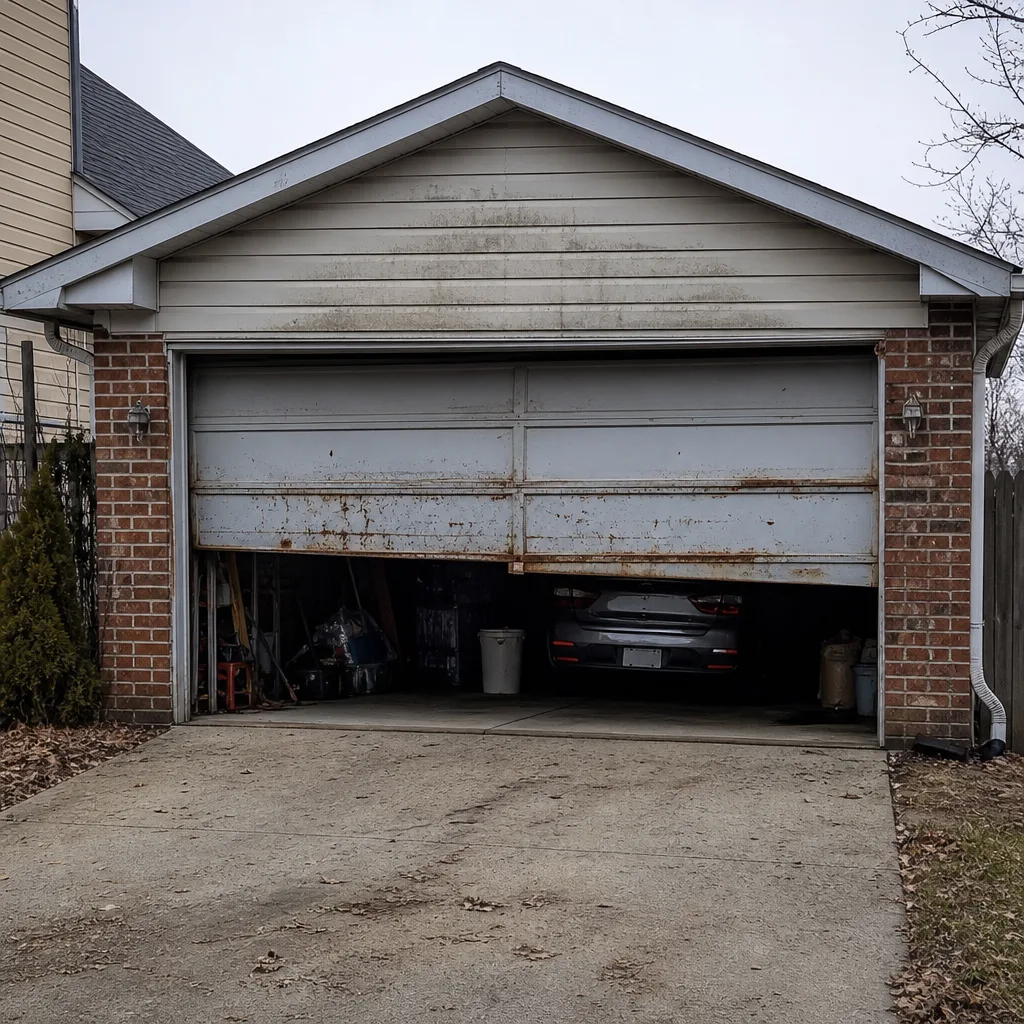 Before
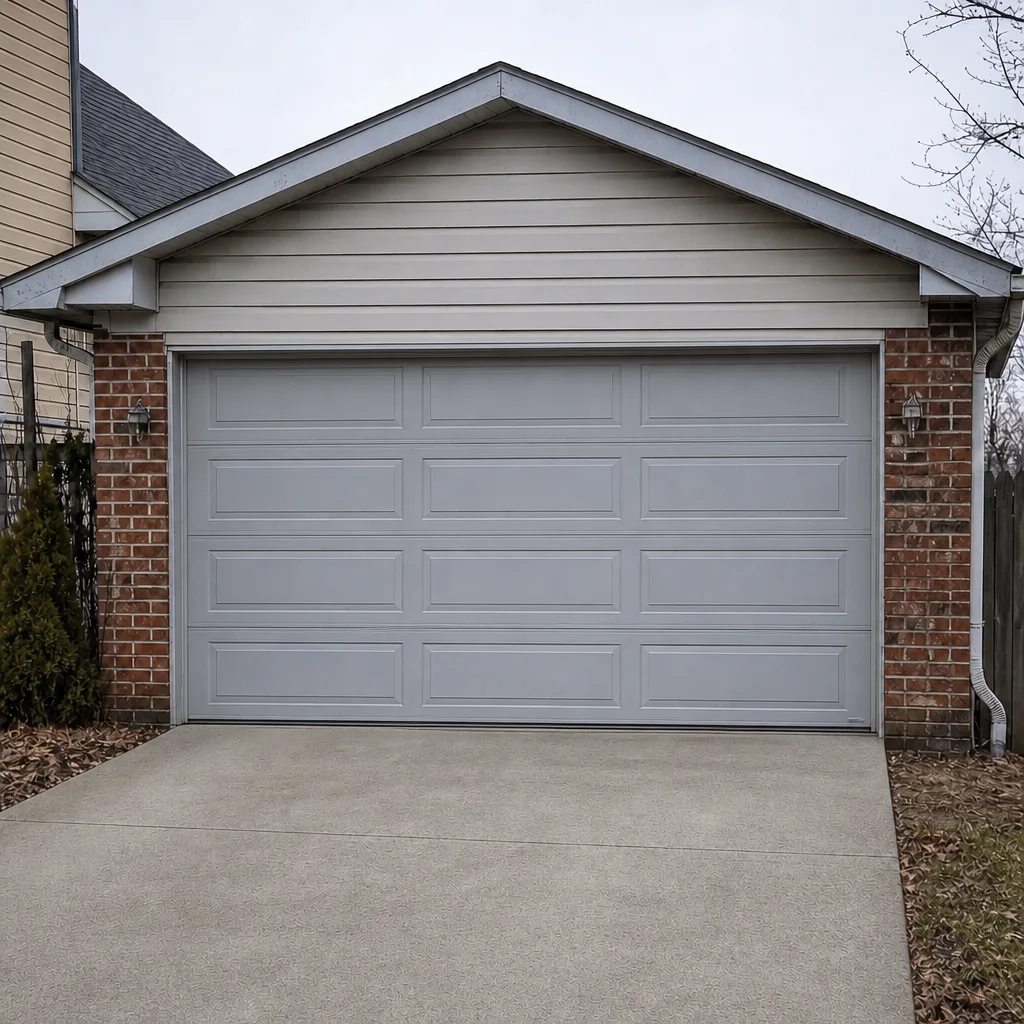 After
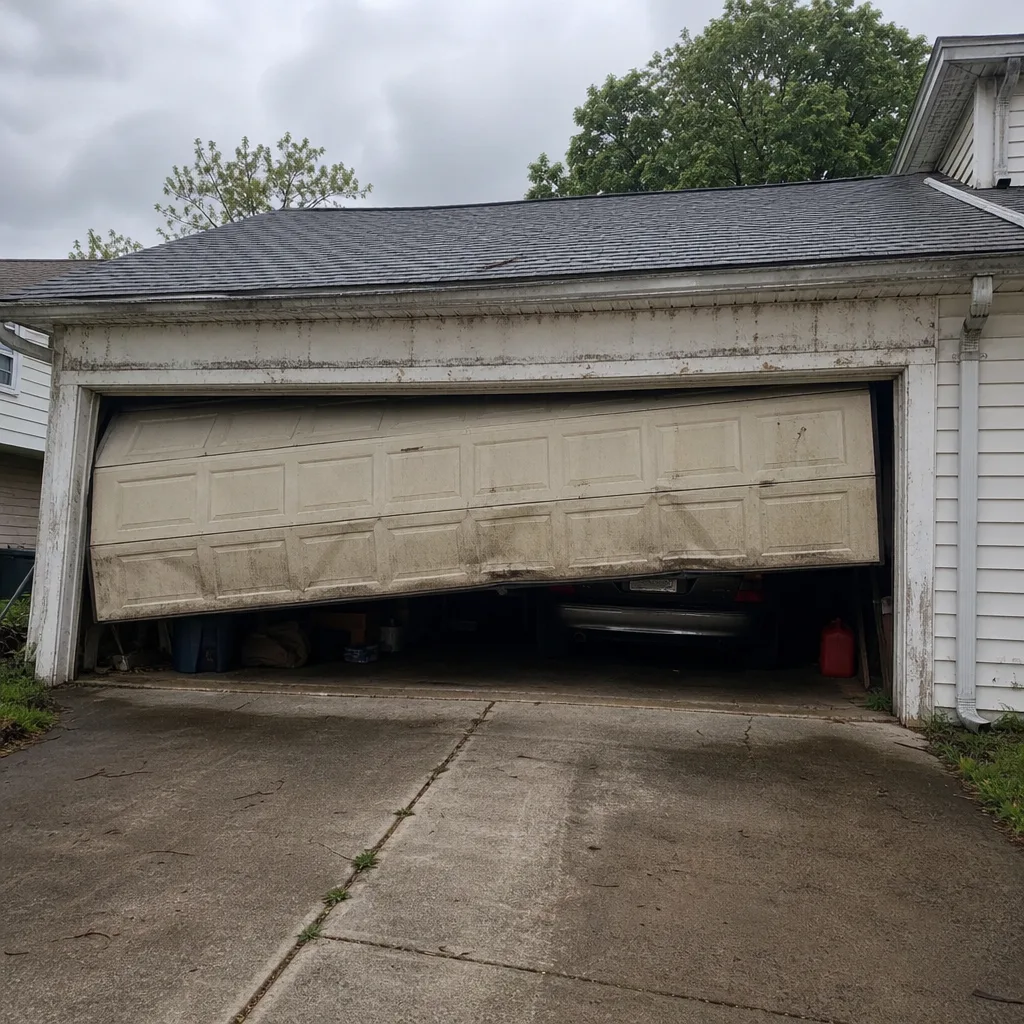 Before
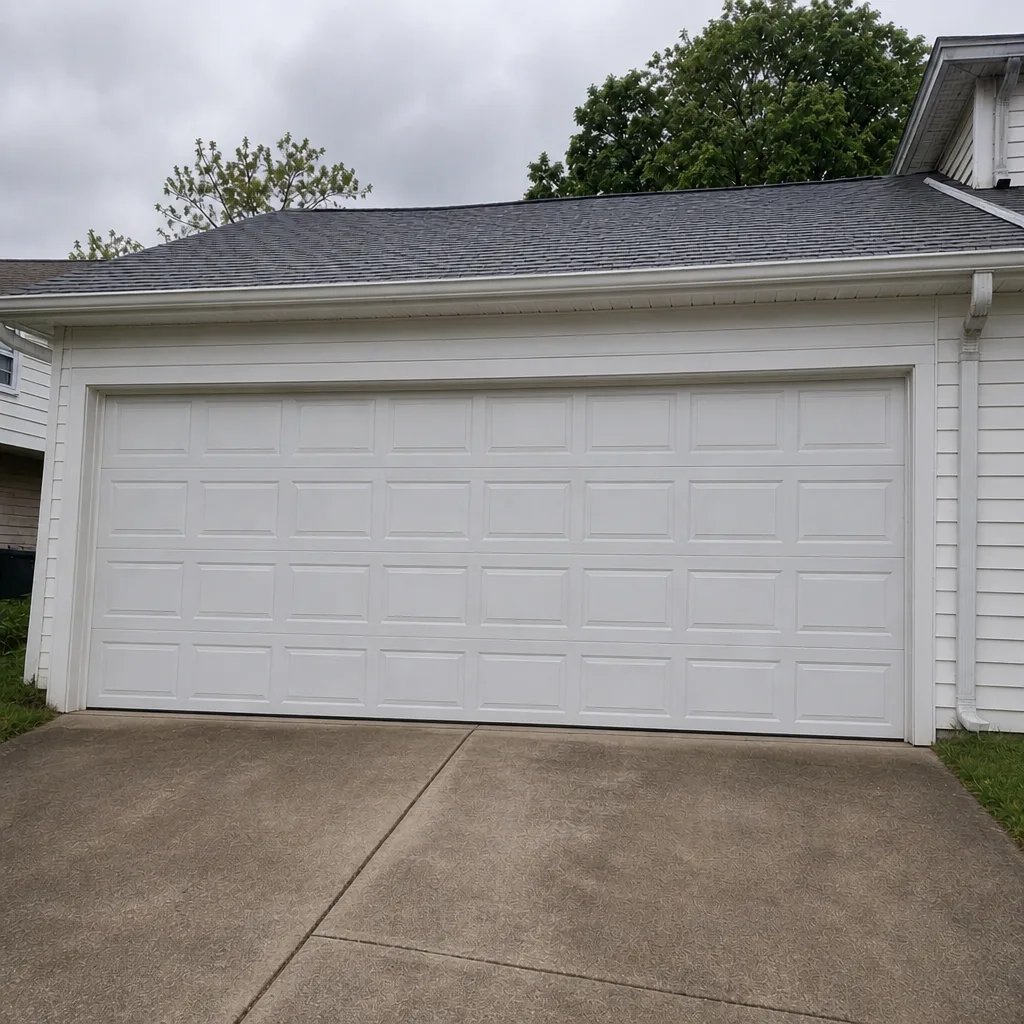 After
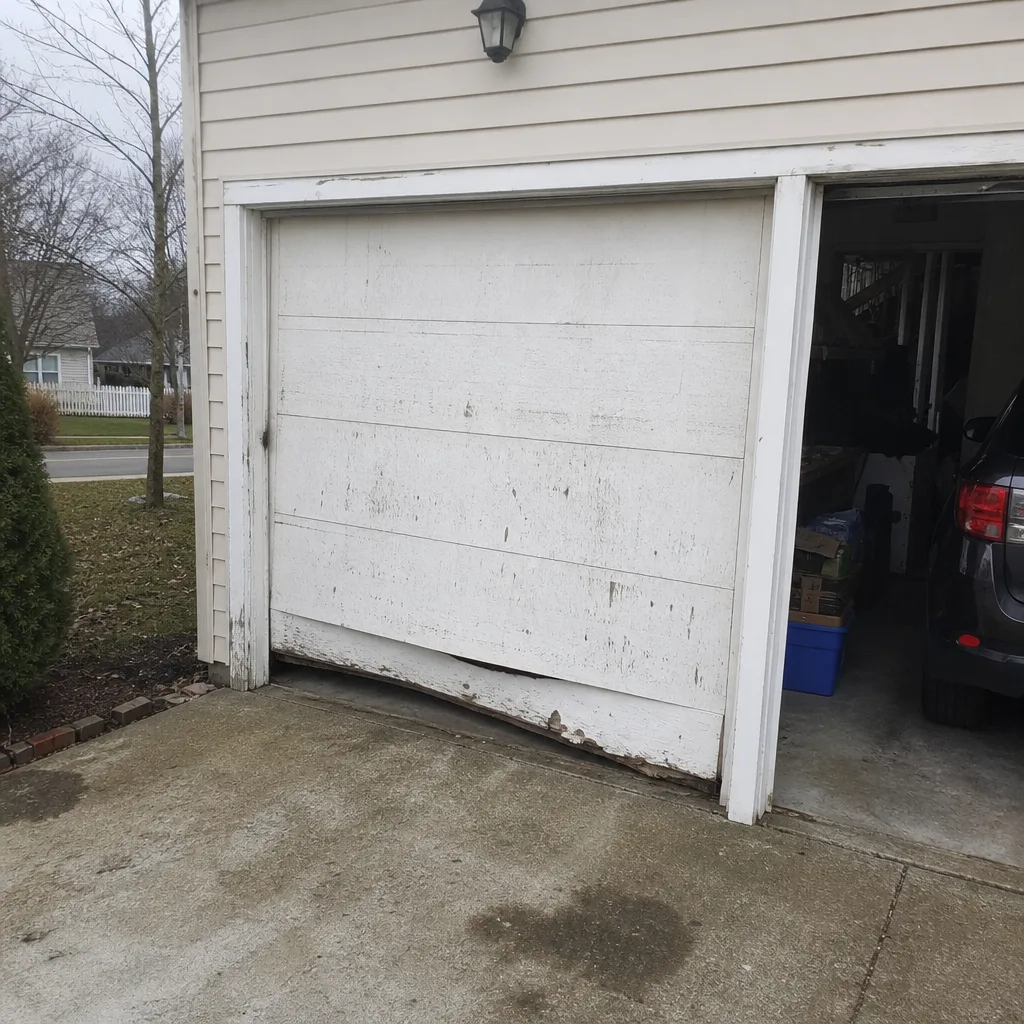 Before
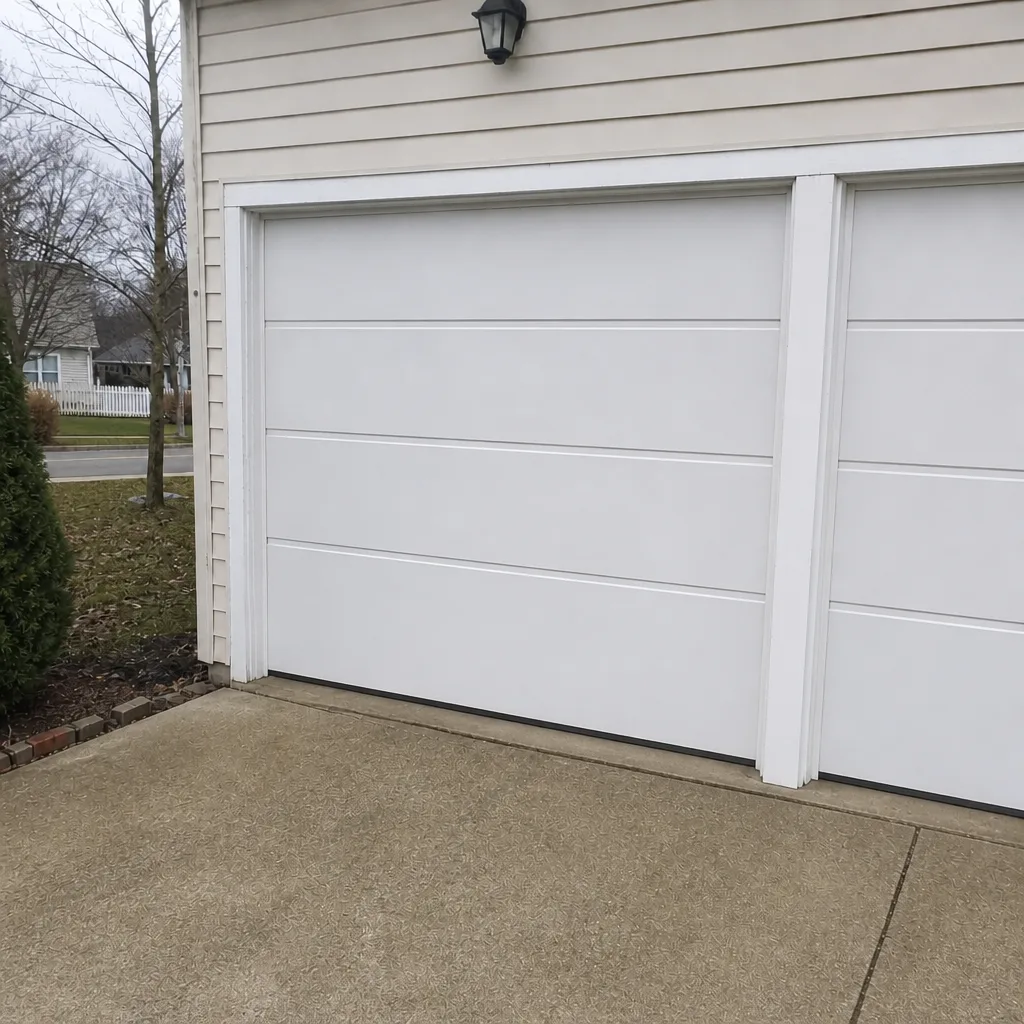 After
When to Call a Professional
There are a few situations where a garage door problem is beyond the homeowner’s tool kit and needs a trained technician, with or without a permit. A snapped spring, a door that’s off its tracks, a door that won’t open with the opener, or a door that slams shut rather than easing down – any of those is a call, not a project. If the door has never been serviced and you’re planning a replacement, a specialist can also tell you whether a permit is likely before you commit. Garage Door Repair Odenton offers free estimates in Odenton. Call (844) 443-4564. We answer 24/7. Fast dispatch from 7am to 7pm, Sunday through Friday. Spring and hardware repairs can often be done same-day; new installations are measured and scheduled.
Frequently Asked Questions
Often no, sometimes yes. A like-for-like swap of the same size door in the same opening usually does not require a permit. If the size, structure, count, or a fire-rated or wind-rated assembly is changing, a permit is typically required. Confirm with the Anne Arundel County permit office before ordering the door – the call is free and the answer is specific to your job.
An inspector focuses on safe function and code compliance: door and track attachment, spring and cable condition, automatic reverse and safety sensors, manual release, wind rating documentation when required, and fire separation if the garage-to-house wall was touched. Cosmetics are not the focus. Most failed inspections come down to sensors that don’t trip or attachment that isn’t structural.
The current owner has to deal with it, usually during a sale or refinance. The typical path is a retroactive permit: check the county’s permit records, have the installation inspected for compliance, pull the retroactive permit, correct anything that fails, and get the final inspection signed off. The cost is usually a permit fee plus any repairs needed to pass, which is a fraction of the friction an unpermitted door creates during a sale.
In most of Odenton’s planned communities, yes. HOA architectural review sits on top of county permitting, and the two are separate approvals. The review typically covers material, color, window style, panel design, and whether the door must match the original builder’s model. Submit the request early – reviews usually take a few weeks, which is why a new door in Odenton is planned weeks ahead, not days.
Usually yes, and most specialists will handle it as part of the job. Ask before work starts who pulls the permit, who pays the fee, and what documentation the installer will provide for the inspection. A garage door specialist treats this as routine; a generalist may not know the process at all.
No. Skipping a required permit saves a fee up front but creates a documented problem at resale, refinance, or insurance review, and it removes the inspection that would have caught safety issues. The permit is the cheapest part of a garage door replacement. Call (844) 443-4564 for an exact quote on the work – estimates are free.
The Bottom Line
Garage door permits in Odenton are less about paperwork and more about protecting the value and safety of your home. A like-for-like swap often doesn’t need one; a structural change, size change, or rated assembly usually does. Confirm before you order, involve your HOA if you live in one of Odenton’s planned communities, and hire a specialist who treats the inspection as routine. If you’re repairing a door today, call us for garage door repair or emergency service. If you’re planning a replacement, we’ll measure it, quote it in writing, and walk you through the permit question before you commit. Whether it needs a fix or a full replacement, we’ll give you the straight answer.
Ready to talk through your door? Garage Door Repair Odenton handles permits, inspections, and the whole job from measure to final sign-off. Call (844) 443-4564 for a free estimate.
Written by the team at Garage Door Repair Odenton.