
Last updated November 21, 2026
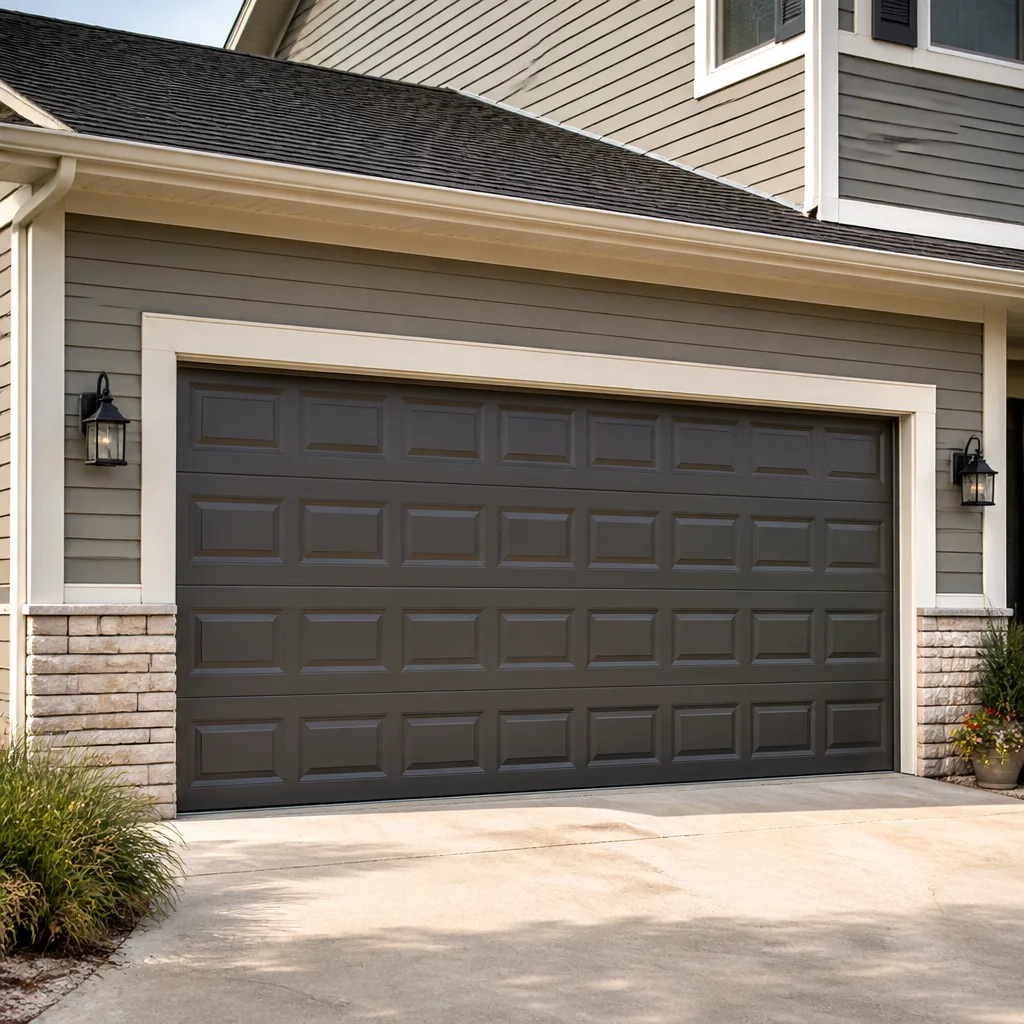 Raised-panel steel
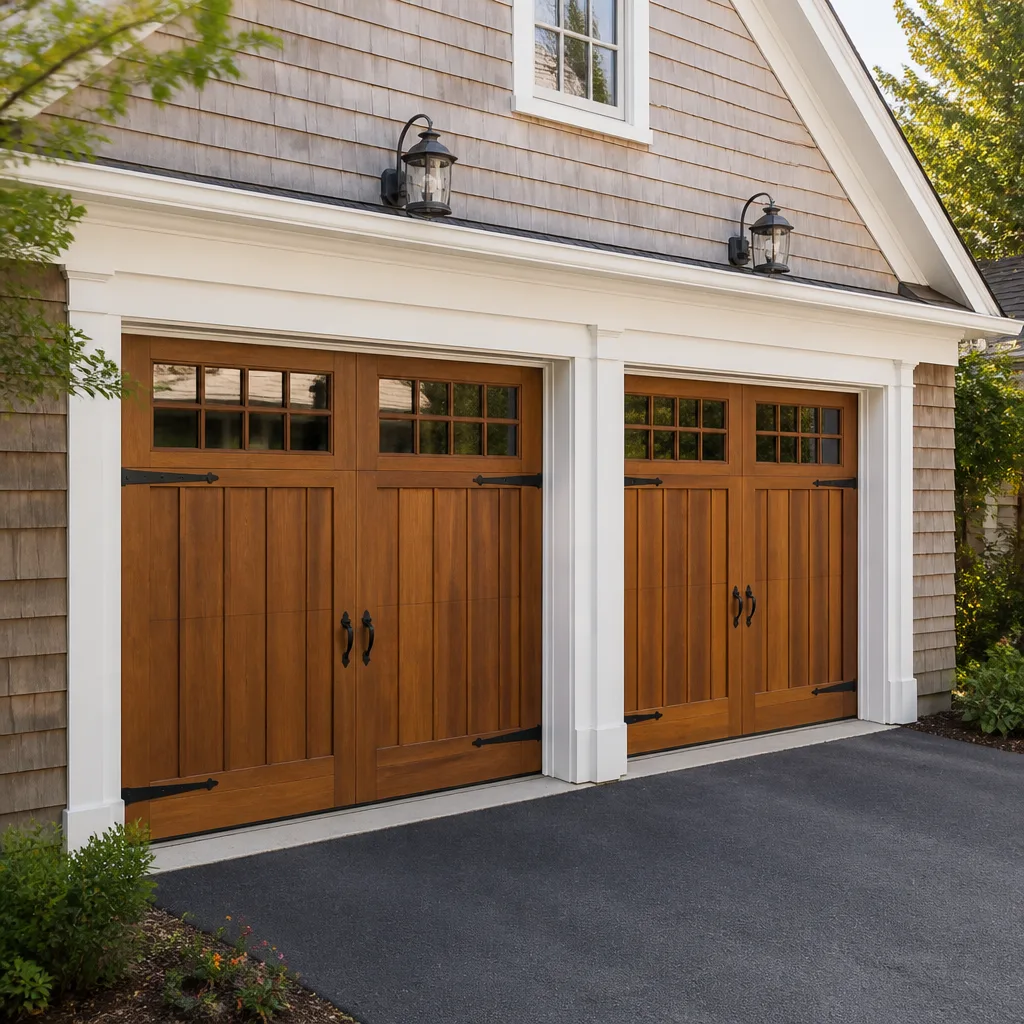 Carriage house
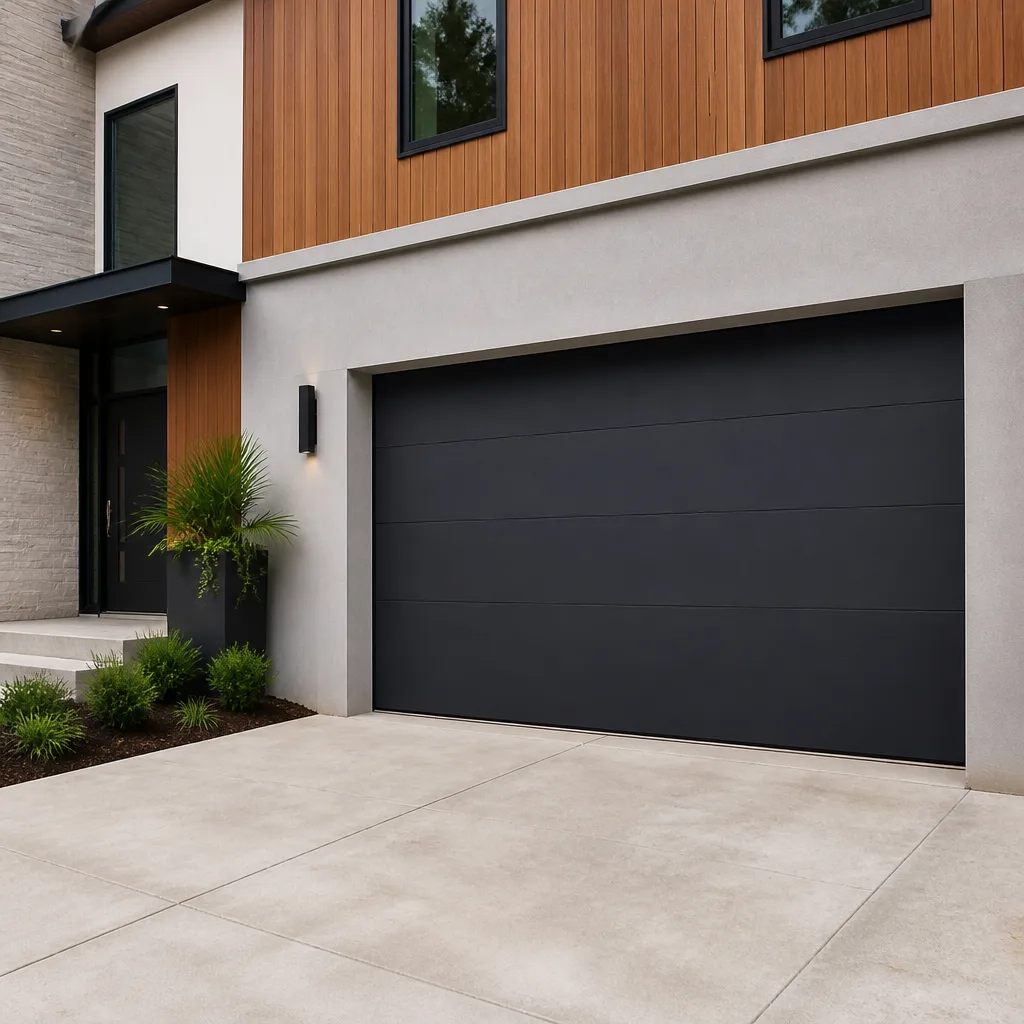 Modern flush
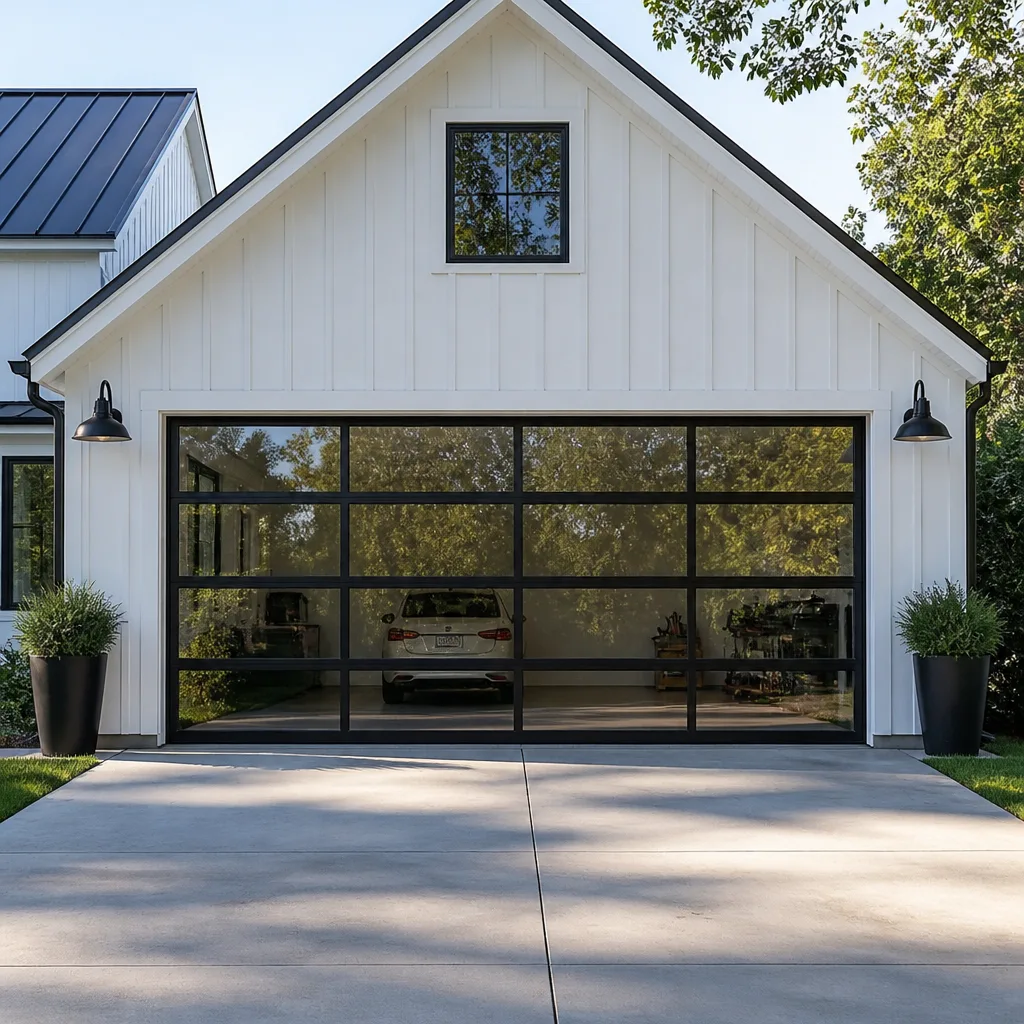 Full-view glass
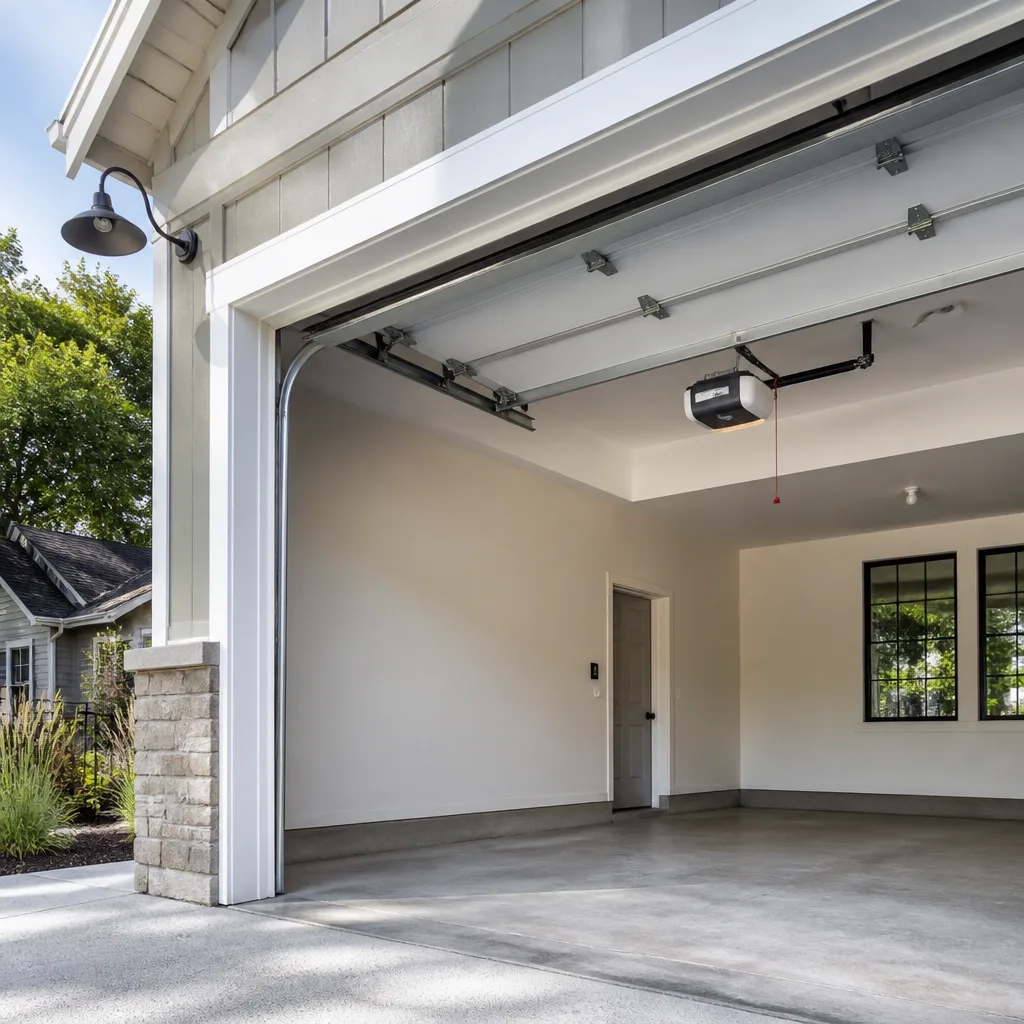 LiftMaster openers
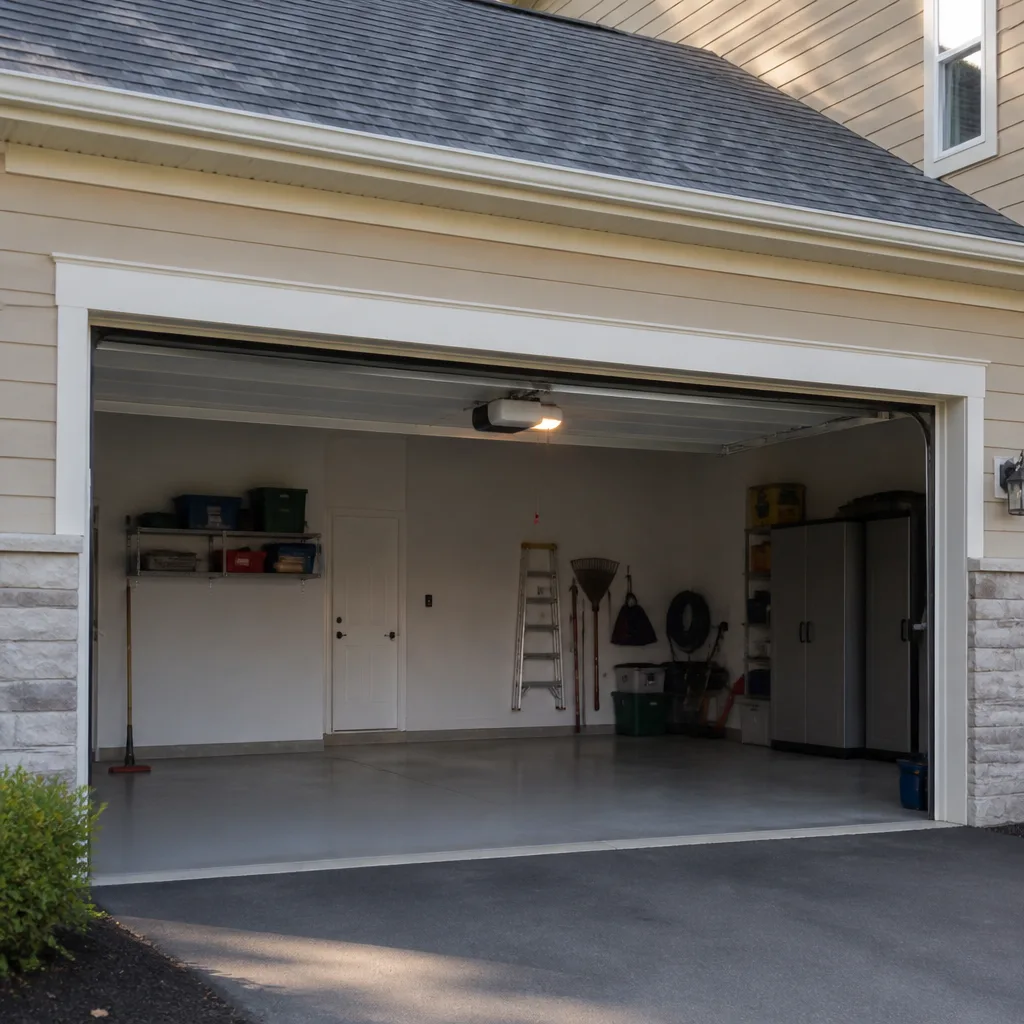 Chamberlain openers
Full 25-point door and opener safety check with every visit - springs, cables, rollers, tracks, and your LiftMaster or Chamberlain opener included
You get a price before we start. It does not change when the pro arrives.
Get your free estimateSeasonal Garage Door Care for Odenton: Year-Round Homeowner’s Guide
Most homeowners treat garage door maintenance as a once-a-year chore, usually in spring, and figure that covers it. In Odenton, that leaves three seasons of stress unaddressed. A door in this part of Maryland faces humid summers that swell seals and fog up opener electronics, winters that contract torsion springs until they snap, pollen-heavy springs that blind the safety sensors, and fall temperature swings that open seams between steel panels. Each season attacks a different component. A single tune-up catches one of them. This guide walks through what actually fails in Odenton month by month, what you can check yourself, and what belongs in the hands of a technician.
Quick Answer
Garage doors in Odenton need season-specific care four times a year, not one annual service: a pre-winter spring and balance check before the first hard freeze, a summer humidity inspection of seals and opener housings, a spring cleaning of photo-eye sensors and tracks, and a fall panel and weatherstrip adjustment as temperatures swing. Each check takes minutes for the owner and prevents the most common mid-Atlantic failures, which are seized springs in January and swollen bottom seals in July.
Styles & brands we work with
- Raised-panel steel
- Carriage house
- Modern flush
- Full-view glass
- LiftMaster openers
- Chamberlain openers
Table of Contents
- Why Seasonal Care Matters More in Odenton Than a Single Annual Tune-Up
- Winter: Protecting Torsion Springs Before the Deep Freeze
- Summer: Humidity, Condensation, and Your Opener’s Logic Board
- Spring: Pollen, Mulch Dust, and Photo-Eye Sensor Fouling
- Fall: Thermal Gaps, Panel Seams, and Weatherstrip Adjustment
- Your 12-Month Odenton Garage Door Care Calendar
- What You Can Safely Check Yourself (and What You Can’t)
- Common Mistakes to Avoid
Why Seasonal Care Matters More in Odenton Than a Single Annual Tune-Up
A garage door is a balance of opposing forces. Springs hold tension against the door’s weight, the opener adds and relieves force, and the tracks and rollers guide everything within a few millimeters of tolerance. Anything that changes the physical dimensions of the door or the friction in the system shifts that balance, and in Odenton the dimensions and the friction change four times a year. Steel panels expand in July heat and contract in January cold. Wooden bottom seals drink summer humidity and swell. Tracks pick up grit that the opener then fights through.
A spring tune-up is genuinely useful, and we’re not arguing against it. The problem is timing. A door serviced in April is entering its easiest season. By the time the first sub-freezing night arrives in December, that adjustment has been through eight months of humidity, pollen, and thermal cycling. The spring tension you tested in April is not the tension the door carries in January.
Odenton sits in a mid-Atlantic climate band where the temperature range across a year is wide enough to matter mechanically. That’s true of the whole region, and it’s why a seasonal calendar beats a single visit. The tasks are small. Checking that the door is balanced, cleaning the sensors, looking at the bottom seal, and listening to the opener takes under fifteen minutes each time. What you’re doing is catching a component while it’s still cheap to fix, rather than after it has failed.
Here’s what a four-season approach gets you that an annual service doesn’t:
- Winter preparation targets torsion springs before cold contraction puts them under maximum stress.
- Summer inspection catches swollen seals and condensation inside the opener before electronics fail.
- Spring cleaning keeps the safety sensors working when pollen and mulch dust coat the lenses.
- Fall adjustment closes the thermal gaps that widen as steel panels shrink.
Homeowners across Odenton, from the older homes near the MARC station to newer construction off Route 175, deal with the same four cycles. The door brand matters less than the calendar. Whether your garage has a Clopay steel door or an older Wayne Dalton model, the seasonal stresses are identical.
Winter: Protecting Torsion Springs Before the Deep Freeze
Cold weather is the single biggest cause of torsion spring failure in this region, and it’s mechanical rather than mysterious. A torsion spring is a coil of steel held under constant tension. Cold contracts that steel, which increases the stress on the coil and reduces its ability to flex. When a door already carrying near-maximum tension is cycled on a freezing morning, the spring has less margin to absorb the load. That’s when it snaps. The sound is unmistakable: a sharp bang followed by a door that won’t lift.
The frustrating part is that a spring on the edge of failure gives almost no warning once the cold arrives. The warning window is the weeks before. That’s why the most useful winter task happens in late fall: a balance and tension check while temperatures are still moderate.
Our technicians have up to 9 years of experience, and the pattern they describe is consistent: springs that fail in January were usually showing signs by November. A door that felt slightly heavier to lift, or an opener that seemed to work a little harder, was the tell.
What a pre-winter check covers:
- Balance test. Disconnect the opener (pull the release handle) and lift the door halfway by hand. A balanced door stays put. If it drops or rises on its own, the spring tension is off.
- Spring inspection. Look at the torsion spring above the door for visible gaps in the coil. A gap means the spring is broken or about to be. Do not touch it, wind it, or try to adjust it.
- Weatherstrip check. Run a hand along the bottom seal. A stiff, cracked seal lets cold air in and can freeze to the threshold.
- Lubrication. A light application of garage-door lubricant on hinges, rollers, and the torsion bar (not the spring coil itself) reduces friction that cold makes worse.
- Opener force test. Place a roll of paper towels under the door and close it. The door should reverse on contact. If it keeps pressing, the opener’s force setting needs attention.
Sub-20°F nights aren’t unusual in an Odenton January, and that’s when the stress peaks. Getting the balance and spring check done before then is the difference between a routine adjustment and a broken spring. If you’re already hearing a bang or your door won’t lift, that’s a spring problem, and garage door spring repair is a job for a trained technician. Springs are the most dangerous part of a garage door. They’re under enough tension to cause serious injury, and this is not a DIY repair.
One more winter note for homeowners with wooden bottom seals: check the seal before the first freeze. A seal that’s already holding moisture will freeze to the concrete and tear the first time the door opens in the morning. If the seal is soft or saturated, replace it before winter rather than after.
Summer: Humidity, Condensation, and Your Opener’s Logic Board
Summer in Odenton brings the opposite problem to the same equipment. Where winter contracts and stiffens, summer expands and swells. The two failures we see most in July and August are swollen bottom seals jamming the door in its threshold and moisture inside the opener housing damaging the logic board.
Start with the seals. A wooden or composite bottom seal absorbs humidity over the summer, and by late July it can swell enough to drag against the concrete as the door closes. The opener, sensing resistance, may reverse the door before it reaches the floor, or the door may close and then bounce back up. Homeowners often read this as an opener fault when the seal is the real culprit. If your door reverses itself inconsistently in humid weather, check the bottom seal first.
The opener housing problem is less obvious and more expensive. Garage door openers are electronic devices mounted in an unconditioned space, and in a humid Odenton summer the air inside the housing can carry enough moisture to condense on the circuit board. Over time that condensation corrodes the logic board, which controls travel limits, force settings, and safety reversal. The symptoms build slowly: limits drift, the remote stops responding reliably, the door reverses for no reason. By the time it fails outright, the board is usually beyond saving.
What helps:
- Ventilate the space if you can. A garage that stays closed all summer traps humid air. Opening it when the weather allows lowers moisture levels inside the opener housing.
- Check for drips above the opener. A small roof or plumbing leak that lands on the opener housing is a common cause of board failure, and it’s invisible until the electronics fail.
- Watch for erratic behavior. Random reversals, drifting limits, or a remote that works sometimes are early signs of moisture or board trouble, not random glitches.
- Keep the housing clean and dry. Dust and humidity together create a film on the board that holds moisture against the components.
If your opener is already misbehaving, garage door opener repair covers the leading smart and traditional brands. We work on the opener you already have, whether that’s a LiftMaster, a Chamberlain, a Genie, or an older Craftsman unit that’s been on the ceiling for years. Diagnosing a failing logic board early is far cheaper than replacing the whole unit after it dies.
Summer is also a good time to test the safety reversal while the door is working smoothly. Place a roll of paper towels in the door’s path and close it. The door should contact the roll and reverse. If it doesn’t, the opener’s force or travel limits need adjusting before it becomes a safety problem.
Spring: Pollen, Mulch Dust, and Photo-Eye Sensor Fouling
Every garage door opener manufactured in the last several decades has a pair of photo-eye sensors mounted at the bottom of the tracks, one on each side, about six inches off the floor. They shoot an invisible beam across the door opening. If anything breaks that beam, the door reverses. It’s the single most important safety feature on the door, and spring in Odenton is when it fails most often.
The reason is simple. Spring is pollen season in this region, and it arrives at the same time homeowners are mulching their beds and blowing leaves and debris around the driveway. Pollen, mulch dust, and fine grit settle on the sensor lenses and scatter the beam. The opener reads a broken beam and reverses the door or refuses to close it at all. Homeowners sometimes assume the opener has failed. Usually it’s a dirty lens.
Cleaning the sensors takes a minute and is fully within what you can do yourself:
- Locate both sensors. They’re the small units on the brackets at the bottom of each track, usually with a small LED indicator light.
- Wipe the lenses. Use a soft, dry cloth or a slightly damp one. Wipe the lens face on both sensors, not just the one you can see easily.
- Check the indicator lights. When the beam is aligned and unobstructed, both sensors should show a steady light. If one is flickering or dark, either the lens is still dirty or the alignment is off.
- Check for obstructions. Look for anything in the beam path: a broom handle, a coiled hose, a lawn tool leaning against the track. Objects that aren’t in the beam when the door is up can block it when the door comes down.
- Check alignment. Both sensors should point straight at each other. If one has been knocked slightly out of line, the beam misses and the door won’t close.
- Recheck after mowing or mulching. If you’ve just done yard work near the garage, clean the lenses again. The dust doesn’t settle only once.
Sensor fouling is one of those problems that looks like a serious fault and turns out to be housekeeping. But there’s a safety reason to take it seriously. A sensor that’s dirty enough to cause intermittent failure is also a sensor that could fail at the wrong moment. Keeping it clean is a genuine safety task, not cosmetic.
Spring is also the season to look at the tracks. Grit and pollen build up in the track channels and on the rollers, and the opener has to work harder to move the door. A dry cloth and a light application of garage-door lubricant on the rollers, hinges, and track curves keeps things moving. Do not lubricate the track itself; the rollers need to roll, not slide. If your door is dragging, sticking, or coming off the tracks, that’s a case for garage door repair rather than a cleaning.
Fall: Thermal Gaps, Panel Seams, and Weatherstrip Adjustment
Fall is the season homeowners overlook because nothing is visibly broken. The door opens and closes. The opener works. And yet the temperature swings between a warm October afternoon and a cold November night are exactly what opens up gaps in a steel garage door. Those gaps are the start of every winter problem.
A sectional steel door is made of panels joined by hinges, with weatherstrip between the panels and around the frame. Steel expands when warm and contracts when cold. As temperatures drop through the fall, the panels and the weatherstrip between them shrink at different rates. The result is small gaps at the panel seams and around the perimeter: places where cold air gets in and, more importantly, where moisture gets in and freezes.
What to check in the fall:
- Panel seams. Run a hand along each seam between panels. A gap you can feel means the weatherstrip between panels has compressed or pulled away.
- Perimeter seals. Check the weatherstrip around the sides and top of the frame. If it’s cracked, stiff, or separated from the frame, cold air and moisture enter.
- Bottom seal contact. With the door closed, look for daylight under it. A gap means the bottom seal isn’t making contact with the threshold.
- Threshold condition. The concrete or wood threshold should be level and free of cracks. A cracked threshold lets water in, which freezes and lifts the door.
- Hinge and roller wear. Worn hinges and rollers let panels sag, which opens the seams further. If a hinge is loose or a roller is worn flat, replace it before winter.
The adjustment itself is often small, a weatherstrip reseat or a hinge replacement. But it’s the difference between a door that seals through a freezing winter and one that lets cold air into your garage all season. It also matters for a second reason: a door whose seams are tight operates with less friction, which means less stress on the springs and the opener when temperatures drop.
If you have an Amarr or Clopay steel door, check the manufacturer’s weatherstrip along the panel seams; these doors often have removable weatherstrip that’s designed to be replaced. Fall is the right time to inspect it, before the first freeze makes the inspection uncomfortable and the replacement more urgent.
Your 12-Month Odenton Garage Door Care Calendar
Here’s the calendar. It’s built around what actually fails in Odenton’s climate, not a generic sequence. Each month’s task takes minutes, and the technician items are the ones that belong with a professional. Keep this somewhere you’ll see it.
| Month(s) | Owner Task | Professional Task |
|---|---|---|
| January & February | Listen for bangs or grinding; avoid forcing a hard-to-lift door; keep the bottom seal clear of ice | Handle any spring failure or door that won’t lift |
| March | Clean photo-eye sensors after mulch and pollen season; check alignment and indicator lights | Full safety-inspection if sensors keep failing |
| April | Wipe down tracks; lubricate rollers and hinges (not the tracks); test the safety reversal | Tune-up and balance check if performance is rough |
| May & June | Inspect bottom seal for swell; watch for erratic opener behavior | Moisture and opener electronics inspection |
| July & August | Ventilate the garage when weather allows; check for drips above the opener | Diagnose opener limits, reversals, and board problems |
| September | Inspect panel seams and perimeter weatherstrip; look for daylight under the door | Reseat or replace weatherstrip and worn hinges |
| October | Balance test; lubricate hinges and torsion bar; check bottom seal | Pre-winter spring and balance check |
| November | Confirm door closes fully; check threshold | Final pre-winter inspection |
| December | Keep ice and debris clear of the threshold; watch for cold-morning sounds | Address any spring or opener failure quickly to prevent further damage |
The pattern here is that October is the single most valuable month on the calendar. That’s when you’re doing the balance check and spring inspection while the weather is still reasonable and before the cold puts maximum stress on the springs. If you only do one thing this year, do the October check.
The calendar also reflects a real difference from generic maintenance advice. Many garage door guides list one annual service. In this climate, that misses the summer humidity problem, the spring pollen problem, and the fall thermal adjustment. The four checks each target a specific failure.
What You Can Safely Check Yourself (and What You Can’t)
There’s a clean line between what a homeowner can safely do and what belongs with a technician. The line isn’t about competence; it’s about the physical danger of certain components. Knowing where the line is keeps you safe and saves you from turning a small problem into a bigger one.
Safe owner tasks:
- Cleaning the photo-eye sensor lenses
- Cleaning debris out of the tracks with a dry cloth
- Lubricating hinges, rollers, and the torsion bar (not the spring coil)
- Testing the safety reversal with a roll of paper towels
- Inspecting weatherstrip and panel seams by hand
- Checking for daylight under a closed door
- Listening to the door and opener for unusual sounds
Tasks that belong with a technician:
- Adjusting or replacing a torsion spring
- Adjusting or replacing the cables
- Correcting a door that has come off its tracks
- Replacing a worn opener logic board
- Adjusting opener force and travel limits
- Replacing hinges on a door that has sagged or lost alignment
- Any work on a door that won’t lift or won’t close
The dangerous components are specifically the springs and the cables. Torsion springs are under enough tension to cause serious injury if they release unexpectedly, and extension springs can snap with similar force. Cables, which connect the spring system to the door, are equally risky to touch. There are no safe DIY spring adjustments. A technician has the tools and training to release and rewind the tension safely.
The same principle applies to anything electrical inside the opener. The logic board, force settings, and travel limits involve the control electronics. If you’re not sure how to adjust them, don’t guess; an incorrect setting can cause the door to fail to reverse or to strain the opener. If your opener is misbehaving, call a specialist. When you need a fix, the best move is to get a technician out to look at it, not to start working on the opener yourself.
Homeowners in Odenton with a door that won’t open or won’t close often face a choice: wait for a scheduled appointment or get someone out sooner. For a broken spring or a door off its tracks, the situation is usually urgent. Garage Door Repair Odenton is a single-trade specialist, meaning the technician sent is a garage door technician, not a general handyman working on the side.
Common Mistakes to Avoid
- Treating maintenance as a spring-only task. A single April tune-up misses the summer humidity problem, the fall thermal adjustment, and the pre-winter spring risk. The four-season calendar exists because each season breaks something different.
- Ignoring a bottom seal that’s swelling in summer. A swollen seal drags on the threshold and can reverse the door before it closes. Homeowners often blame the opener; the seal is usually the cause, and replacing a worn seal is cheap compared with a new opener.
- Assuming the opener has failed when the sensors are dirty. In spring, pollen and mulch dust coat the lenses and cause the door to reverse. Wipe the lenses before deciding the electronics are broken.
- Skipping the fall weatherstrip check. The gaps between panels widen when steel contracts in cold weather. If you catch them in the fall, a reseat or a hinge replacement fixes it; if you wait, you’re sealing a gap in the middle of winter with cold air already coming through.
- Lubricating the tracks. The rollers need to roll in the tracks, not slide. Lubricating the tracks themselves makes the rollers slide and causes uneven wear. Lubricate the rollers, hinges, and torsion bar instead.
- Trying to adjust a spring or cable yourself. These are the most dangerous components on the door. There is no safe way to work on a torsion spring without the right tools and training. A snapped spring under tension can cause serious injury.
- Forcing a door that won’t move. If the door won’t lift, the spring is likely broken. Forcing an opener against a broken spring overloads the opener motor and can damage it. Stop and call a technician.
See the difference
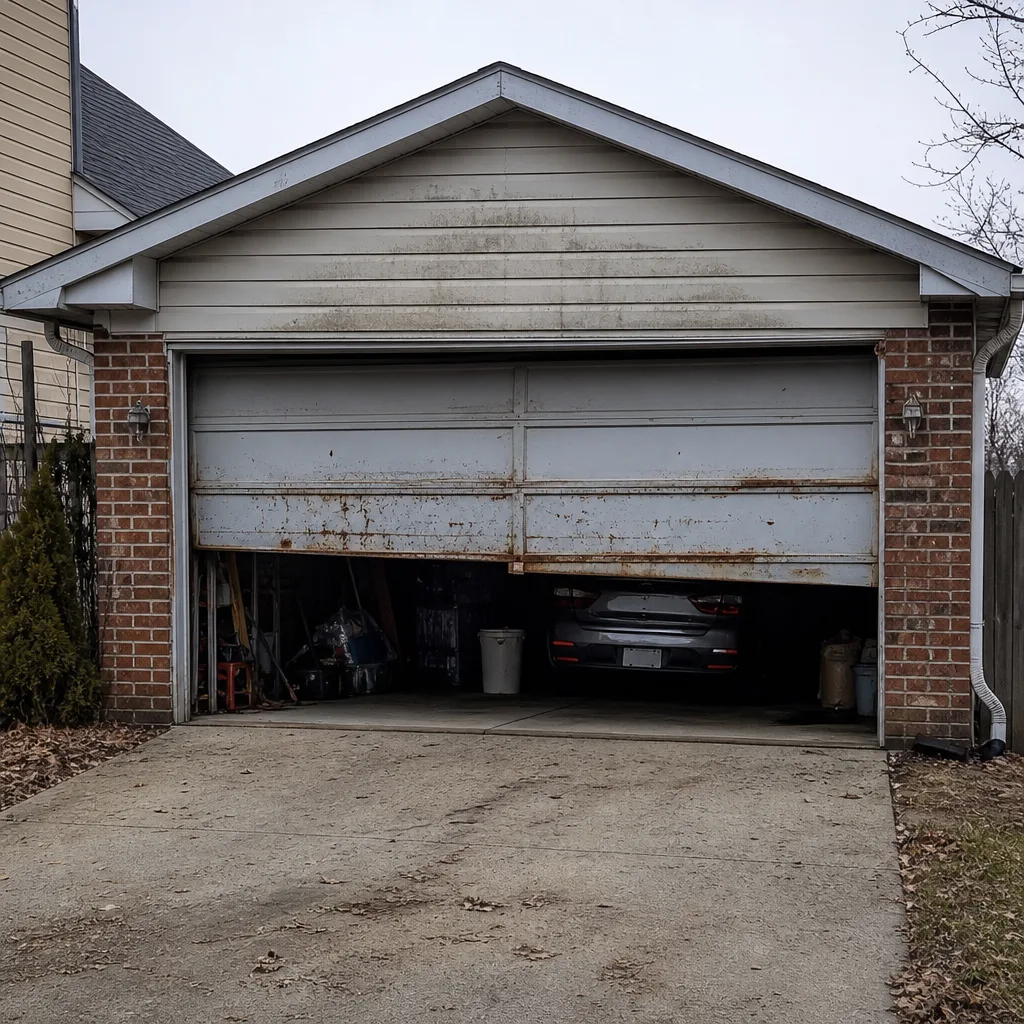 Before
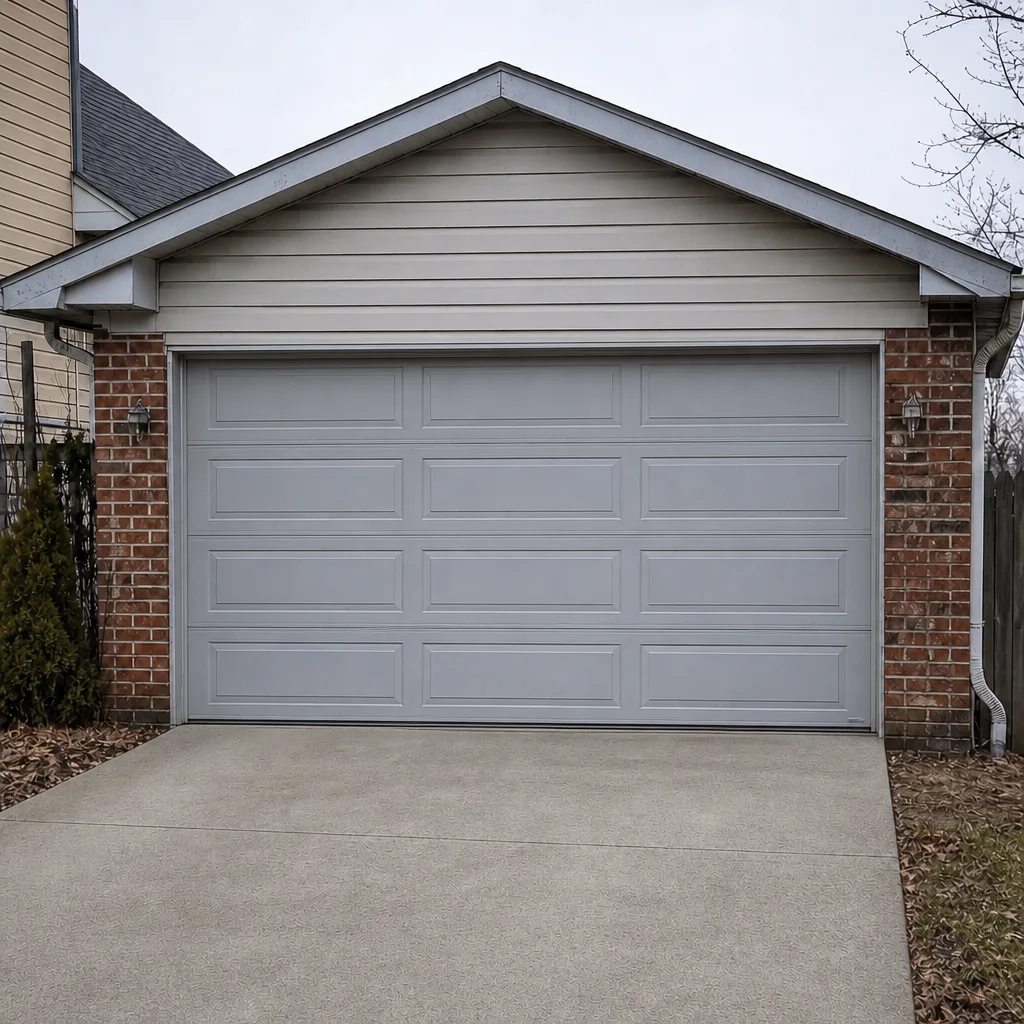 After
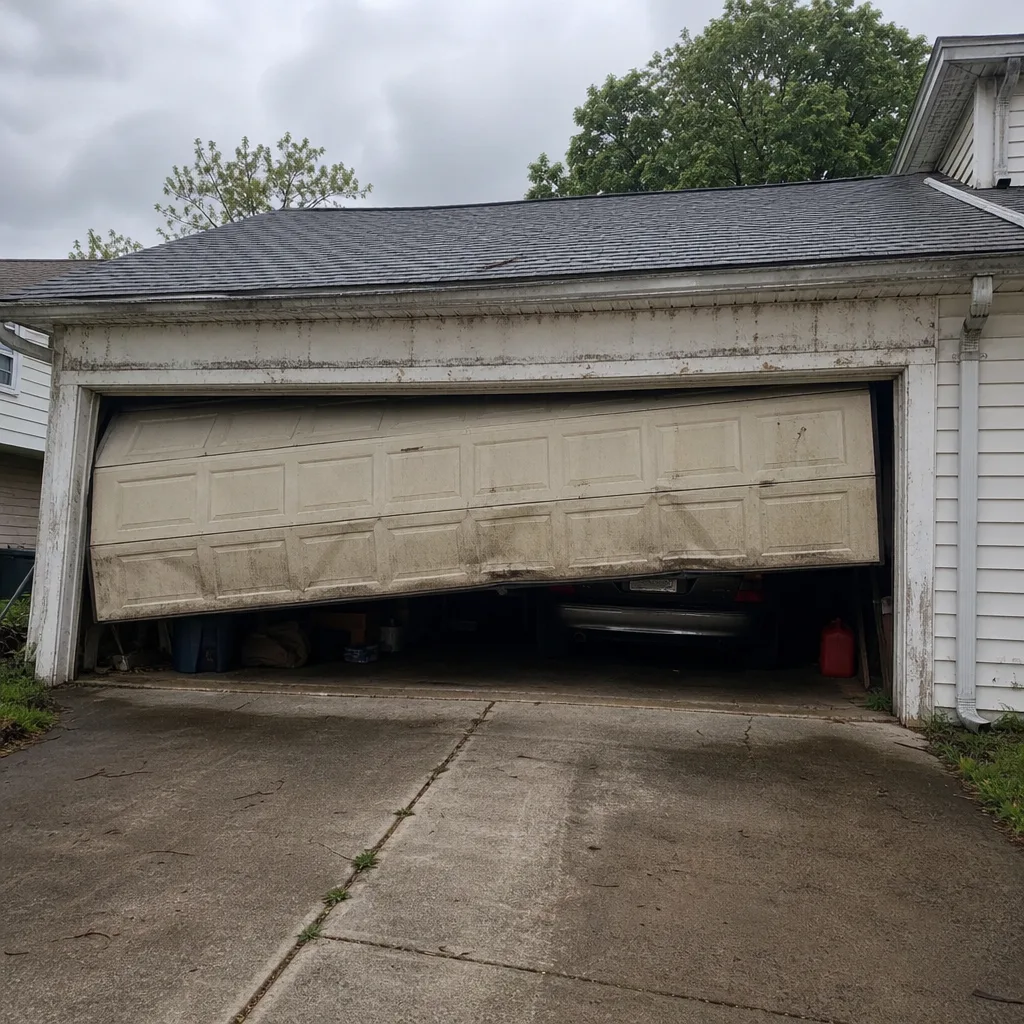 Before
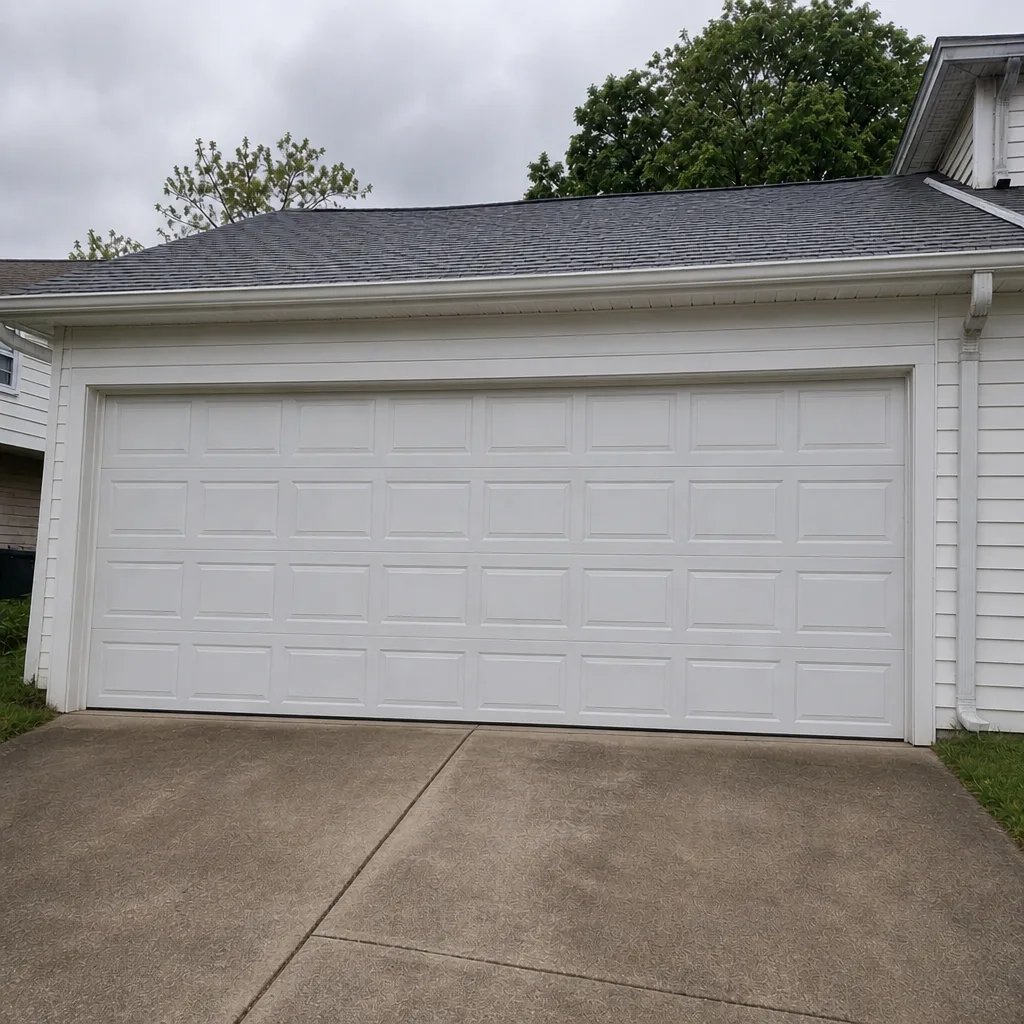 After
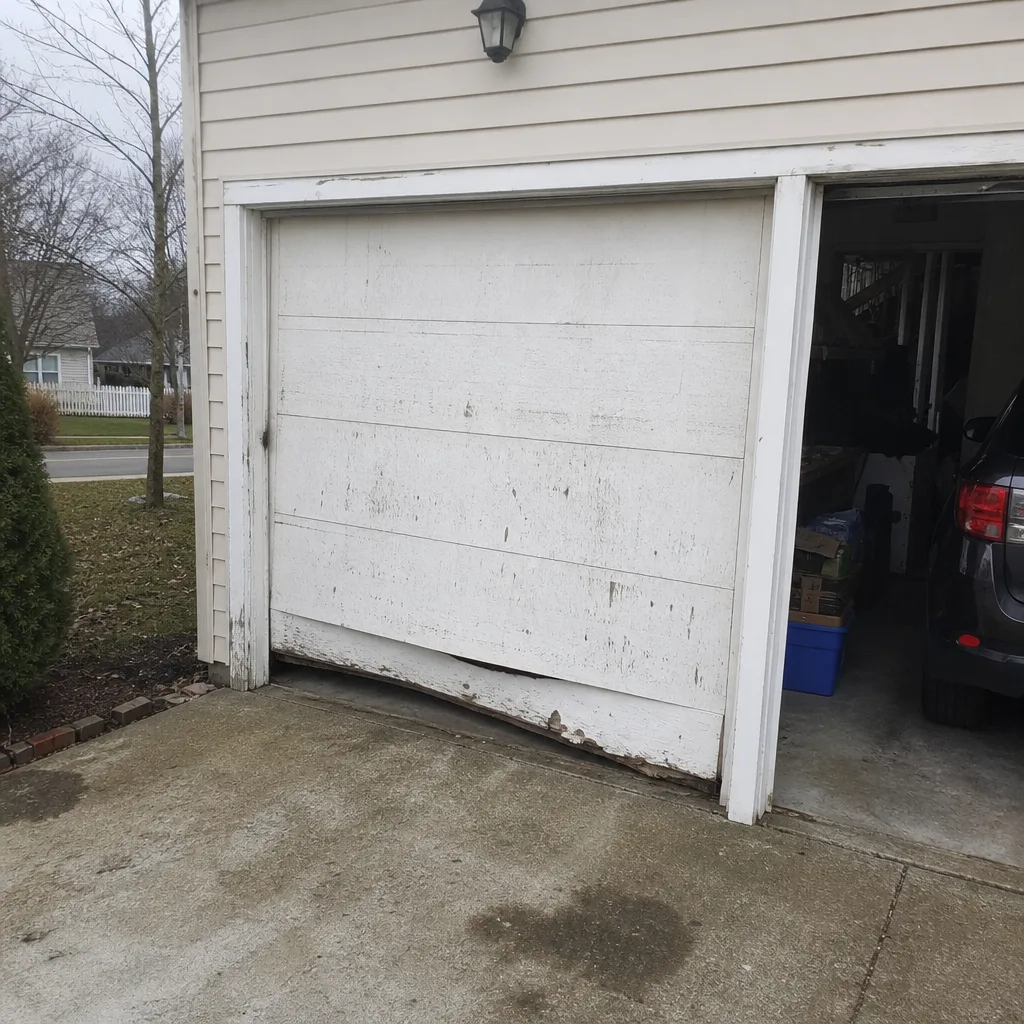 Before
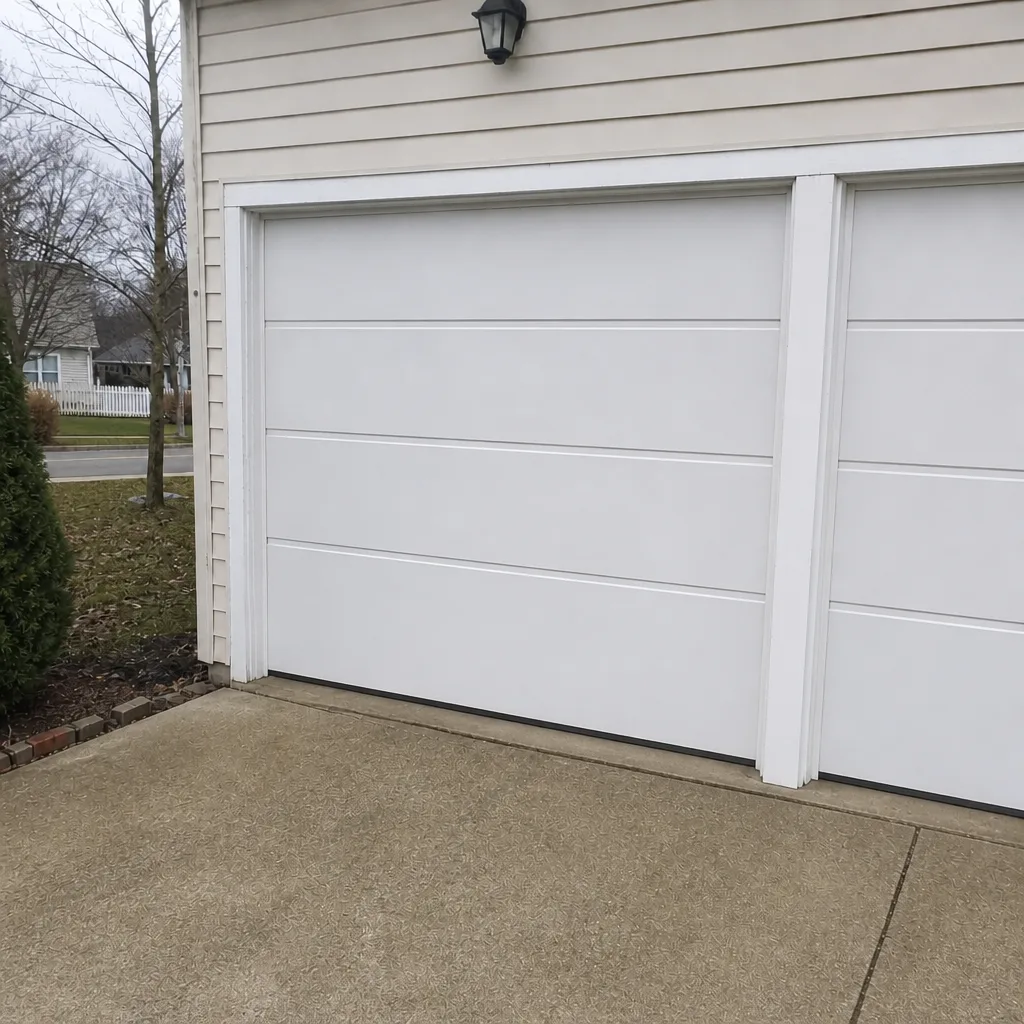 After
When to Call a Professional
Some failures are obvious. A spring breaks with a loud bang and the door won’t lift. A door comes off its tracks and hangs crooked. An opener runs but the door doesn’t move. Those are clear cases for a specialist, and the sooner you call, the less risk of secondary damage, such as an opener motor burning out from working against a broken spring. Other situations are less obvious but still belong with a technician: a door that reverses inconsistently, an opener that drifts its limits, a door that won’t close all the way in cold weather, or a bottom seal that’s been dragging all summer. Any of these is a reason to get a trained eye on the equipment rather than continue to work around the symptom.
Garage Door Repair Odenton offers free estimates in Odenton. Call (844) 443-4564 and we’ll schedule a visit. We answer 24/7. Fast dispatch from 7am to 7pm, Sunday through Friday. Whether it needs a fix or a full replacement, we’ll give you the straight answer, and the price is quoted and agreed before any work starts.
Frequently Asked Questions
Four times a year is the right cadence for this climate, with one focused check each season. A single annual service misses the summer humidity stress on the bottom seal and opener, the spring pollen that fouls the safety sensors, and the fall thermal gaps that open in steel panels. The most valuable single visit is the pre-winter check in October, when a balance and spring inspection can catch a failing torsion spring before cold weather puts it under maximum stress. If your door is older or has had problems before, a full tune-up at the start of the year sets a hard baseline.
Torsion springs break more often in cold weather because cold contracts the steel coil and increases the stress on a component that’s already carrying the door’s full weight under tension. A spring on the edge of failure has less margin to absorb the load on a freezing morning, and that’s when it snaps. The warning is usually in the weeks before winter, when a slightly heavier door or an opener working harder than usual indicates the spring is weakening. A pre-winter balance check catches it while there’s time to repair it on your schedule.
In most cases the bottom seal is the culprit. A wooden or composite seal absorbs humidity and swells in Odenton’s July and August weather, then drags against the threshold and trips the opener’s force sensor, which reverses the door. Check the bottom seal first before assuming the opener is failing. If the seal is soft, swollen, or dragging, replacing it solves the reversal problem. If the seal is fine and the door still reverses, the opener’s force or travel limits likely need adjustment by a technician.
Yes. Cleaning the photo-eye sensors is one of the safe homeowner tasks and takes a minute. The sensors are mounted at the bottom of each track, and you wipe the lens face on both with a soft, dry cloth or a slightly damp one. Check that both indicator lights are steady afterward, look for anything in the beam path, and make sure both sensors point at each other. If the door still won’t close after cleaning and alignment, that’s a case to call a technician.
No. Spring adjustment is not a DIY job, and this isn’t about difficulty; it’s about danger. Torsion springs are under enough tension to cause serious injury if they release unexpectedly, and cables carry similar risk. There is no safe way to adjust or replace a spring without proper tools and training. When a spring breaks or a door won’t lift, stop and call a garage door specialist who can release the tension and repair it safely.
First rule out the simple causes: check the circuit breaker, replace the remote battery, and clean the photo-eye sensors. If those are fine and the door still won’t respond, the problem may be inside the opener. Summer humidity in an Odenton garage can condense inside the opener housing and corrode the logic board over time, producing erratic behavior before total failure. A technician can diagnose whether the board needs replacement or whether the issue is the force and travel settings. Replacing a failed board is usually cheaper than replacing the whole opener, so getting a diagnosis early matters.
The Bottom Line
Garage doors in Odenton face four different seasonal stresses, and the door fails for a different reason in each one. Winter contraction snaps springs; summer humidity swells seals and fogs opener electronics; spring pollen blinds the safety sensors; fall temperature swings open panel seams and perimeter weatherstrip. The fix is not a bigger annual service. It’s a small, well-timed check in each season, with the pre-winter balance check in October as the highest-value item on the calendar. Most of what you need to do takes minutes and is safe to do yourself. The rest, especially anything involving springs, cables, or the opener’s electronics, belongs with a technician. Keep the calendar, do the seasonal check, and call when something doesn’t feel right.
Call (844) 443-4564 for a free estimate in Odenton. We answer 24/7. Fast dispatch from 7am to 7pm, Sunday through Friday. We work on the brand you already have, and whether it’s a routine seasonal visit or a door that needs attention today, we’ll give you the straight answer.
Written by the team at Garage Door Repair Odenton.