
Last updated November 21, 2026
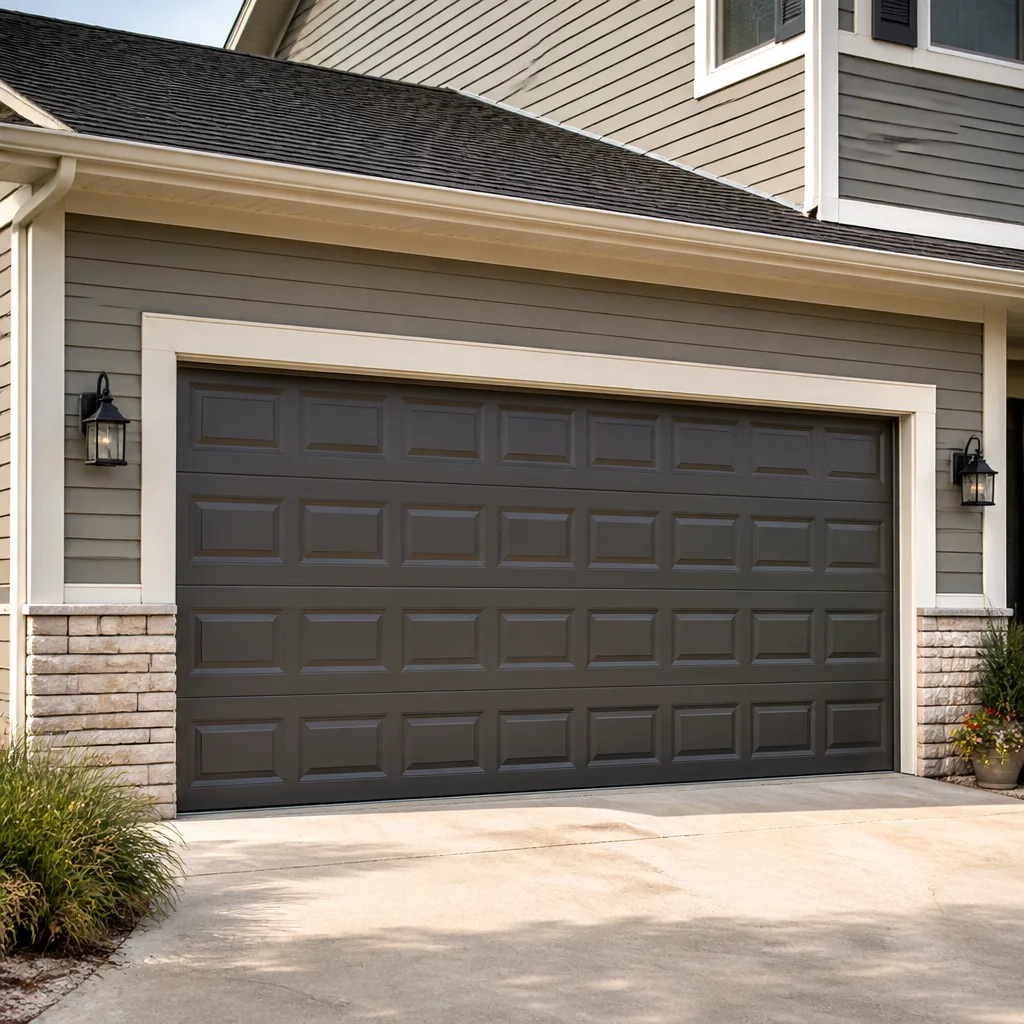 Raised-panel steel
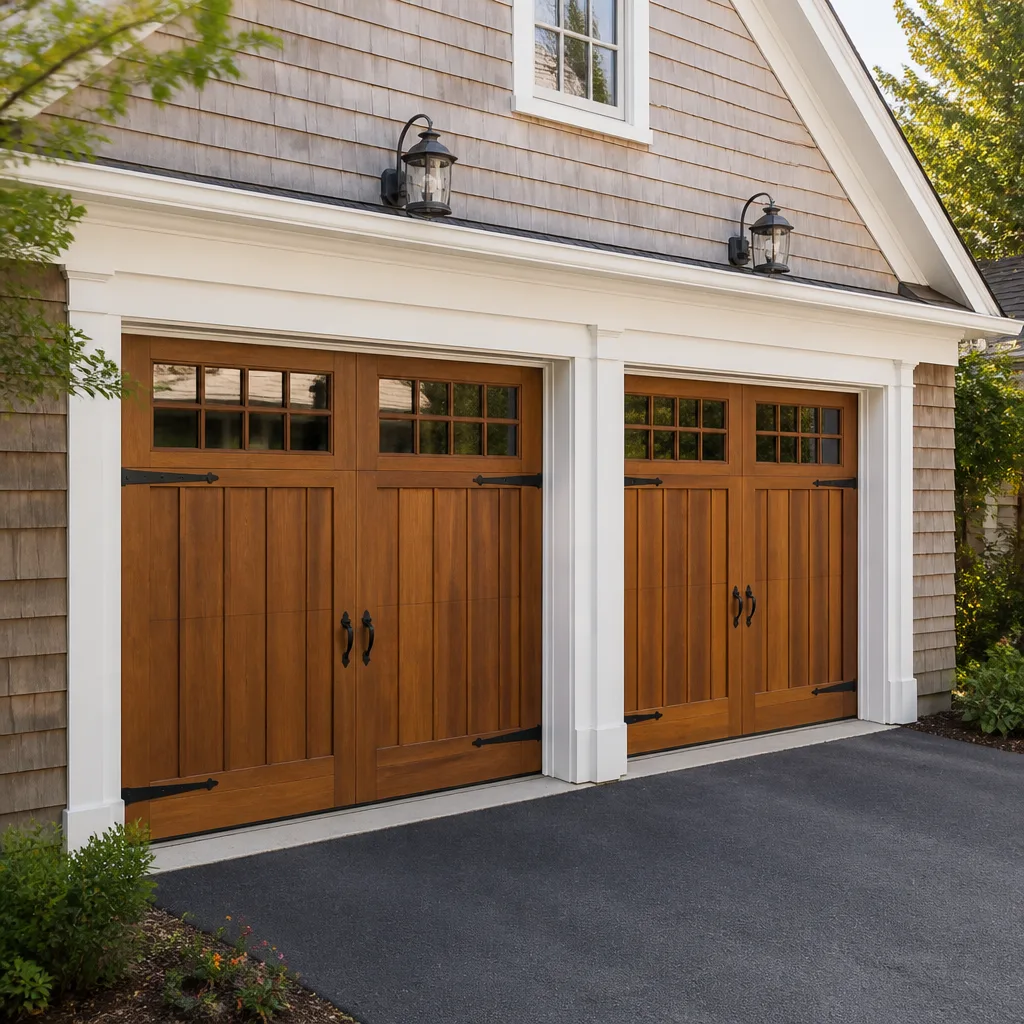 Carriage house
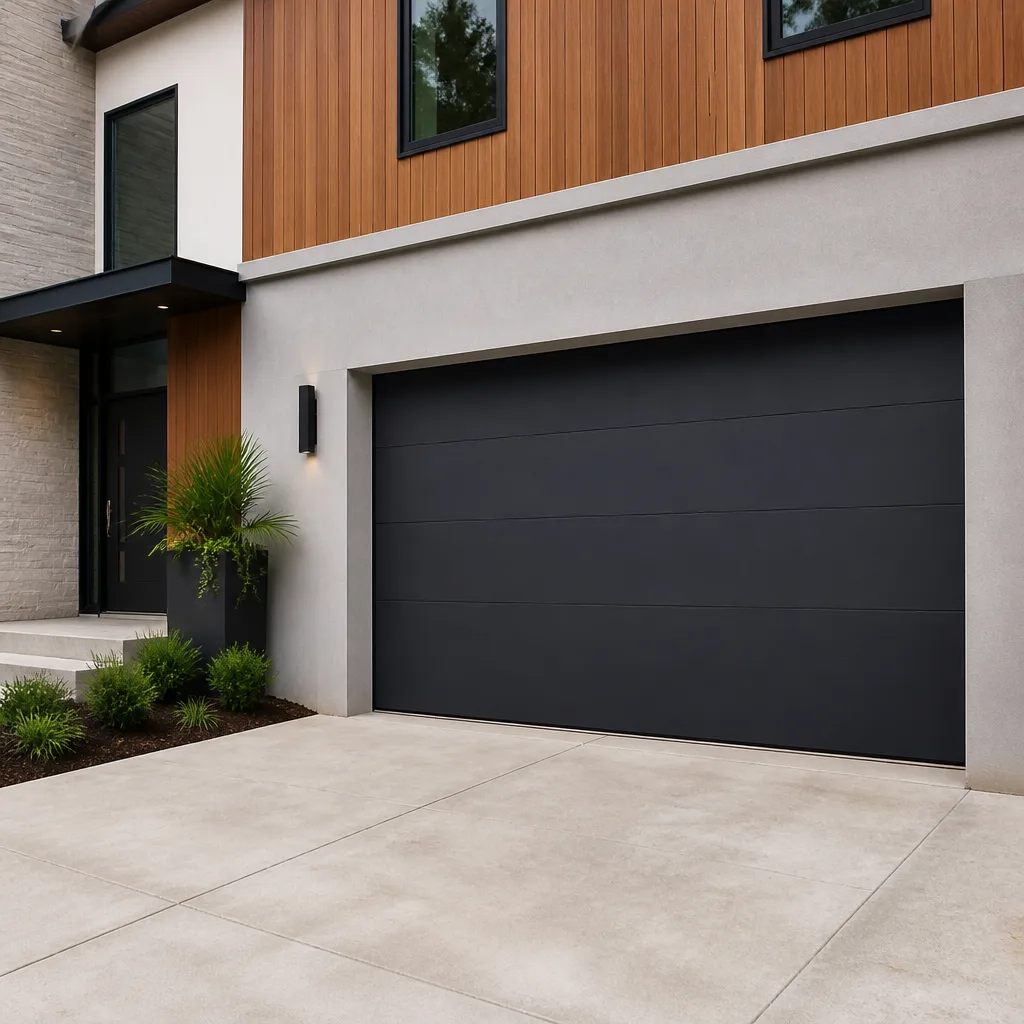 Modern flush
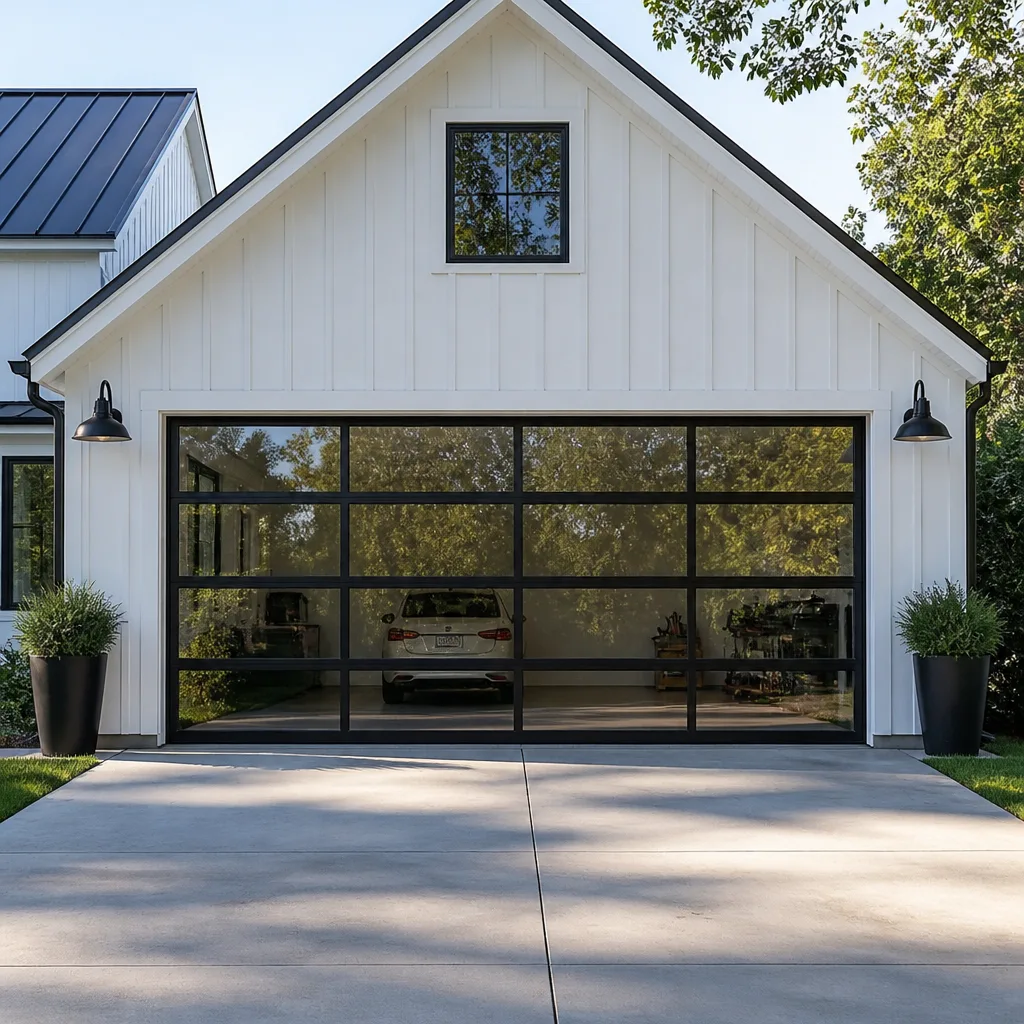 Full-view glass
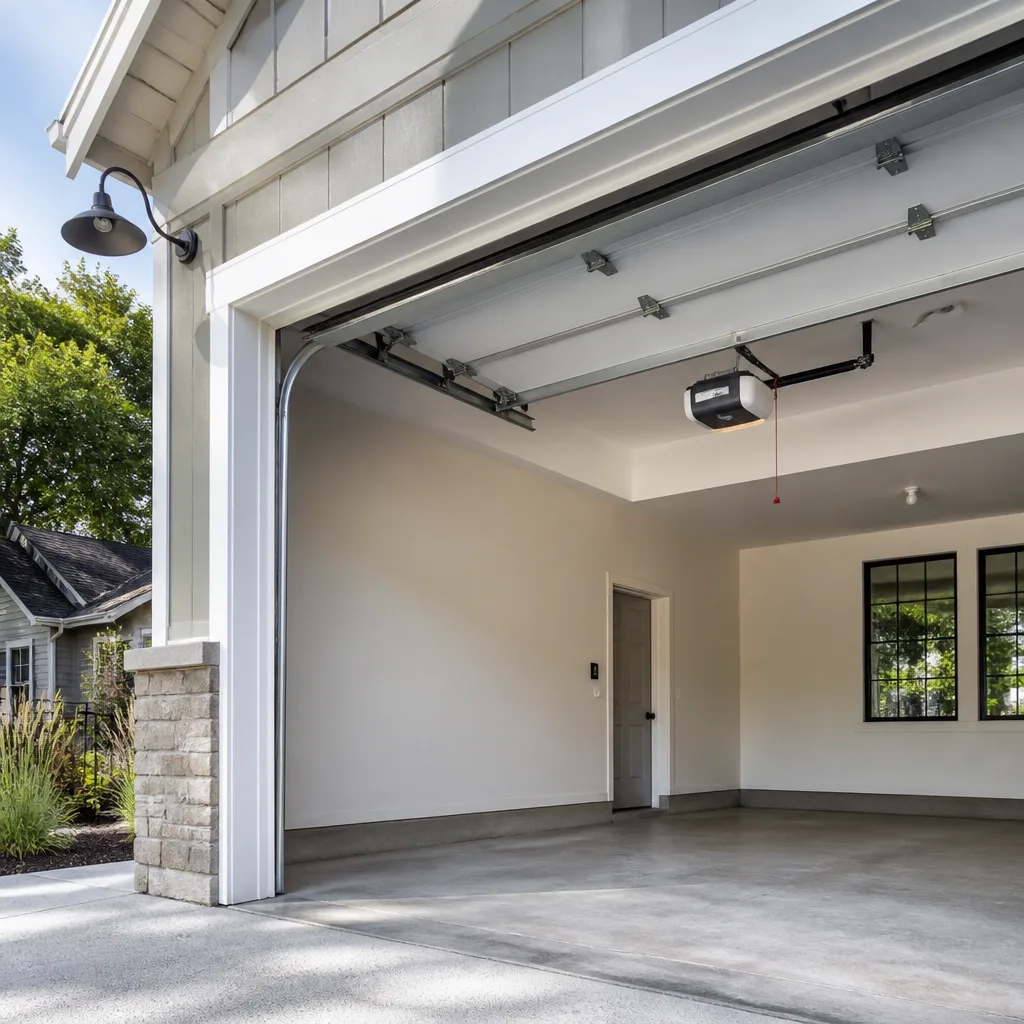 LiftMaster openers
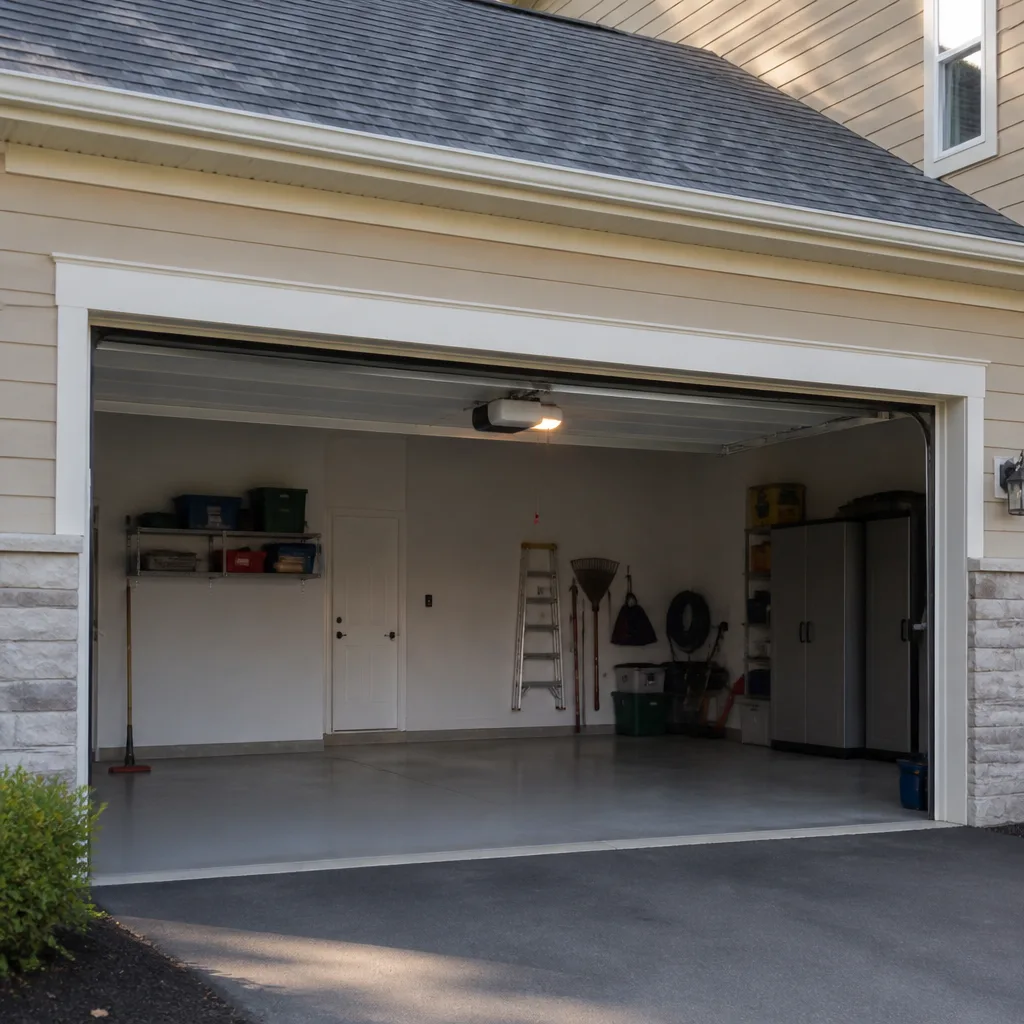 Chamberlain openers
Full 25-point door and opener safety check with every visit - springs, cables, rollers, tracks, and your LiftMaster or Chamberlain opener included
You get a price before we start. It does not change when the pro arrives.
Get your free estimateHow to Hire a Garage Door Contractor in Odenton: A Step-by-Step Guide
A five-star Google rating tells you a contractor is pleasant to deal with. It tells you almost nothing about whether they set spring tension correctly, pulled the right permit, or used hardware rated for your door’s weight. The wrong garage door contractor in Odenton rarely looks like an obvious scam. It usually looks like a low quote, a fast install, and a door that starts binding or sagging months later, when the phone number on the invoice no longer gets answered. This guide walks you through the vetting process step by step: what documents to request, which technical questions expose real expertise in under five minutes, how to spot red flags buried in a low bid, and what a fair written contract should look like before anyone touches your door.
Quick Answer
To hire a garage door contractor in Odenton, verify their Maryland business registration, general liability insurance and workers’ compensation coverage before anything else, then interview them on technical specifics like spring sizing, torque calculations and brand certification. Ask for a written, itemized quote that lists springs, hardware, opener model and permit line separately, and get the labor warranty terms in writing before you sign. A pleasant review profile is not a substitute for any of those steps.
Styles & brands we work with
- Raised-panel steel
- Carriage house
- Modern flush
- Full-view glass
- LiftMaster openers
- Chamberlain openers
Table of Contents
- What Credentials Should You Verify Before Hiring?
- What Technical Questions Expose Real Expertise?
- What Red Flags Hide in a Low Quote?
- Why Do Brand Authorizations Matter for Your Warranty?
- How Should You Read the Contract?
- Why Should Spring Repair Be a Named, Separate Service?
- What Happens When a Door Fails and You Need Help Now?
What Credentials Should You Verify Before Hiring?
Before a garage door contractor in Odenton quotes a single job, ask for three documents: proof of Maryland business registration, a certificate of general liability insurance, and proof of workers’ compensation coverage. All three should arrive without hesitation. A contractor who stalls on any of them is telling you something.
Here’s how to verify each one quickly:
- Business registration: Search the contractor’s business name on the Maryland Department of Assessments and Taxation website. Confirm the legal entity is active and the name on the certificate matches the name on your quote. This takes about a minute and catches fly-by-night operations using a trade name that doesn’t exist on paper.
- General liability insurance: Ask the contractor to have their insurer email you a certificate of insurance directly, not a forwarded PDF from the contractor. Call the insurer’s number listed on the certificate and confirm the policy is currently active and the coverage limit is realistic for residential construction work. If the certificate lists a policy that lapsed, no one is covering damage to your house or your neighbor’s car.
- Workers’ compensation: A contractor with employees must carry workers’ comp in Maryland. If a helper gets hurt on your property and there’s no coverage, you’re exposed. Ask for the certificate and verify it the same way you verified liability coverage.
- Written estimate with a fixed scope: Any verbal price you receive is not the price. Ask for a written estimate before any work begins, and confirm it lists the exact parts by brand and model number.
None of this is paranoid. Garage doors weigh hundreds of pounds and store enormous energy in their springs. When something goes wrong on a job without insurance, the homeowner is the one left holding the bill. A few minutes verifying paperwork before the job protects everyone involved.
What Technical Questions Expose Real Expertise?
The fastest way to find out whether a contractor knows garage doors or just dabbles in them is to ask specific technical questions before they quote. General handymen often bid on garage door repair because it looks simple from the outside. The answers below separate the two quickly.
Five questions to ask:
- “How do you determine the correct spring size for my door?” A real technician needs the door’s weight, height and track configuration, and will calculate spring wire gauge, inside diameter and length from those numbers. If the answer is “we just match what’s there,” you’re talking to someone who doesn’t understand that a previous installer may have used the wrong spring in the first place.
- “What’s the difference between torsion and extension springs, and which does my door have?” Any competent garage door contractor in Odenton can identify your system on sight and explain why the two need different service intervals and different safety precautions.
- “Are you certified by the manufacturer of my opener or door?” Ask about the specific brand. LiftMaster, Chamberlain, Genie and Clopay all have dealer or installer programs, and those certifications mean the technician has been trained on the specific equipment in your garage.
- “What’s your approach to balancing a door after a spring replacement?” A door that isn’t properly balanced will wear out the opener motor and rollers faster. A good answer mentions testing the door by hand at the halfway point and adjusting tension until it holds.
- “Do you pull a permit for a full door replacement?” Permit requirements vary by jurisdiction. A contractor who says they’ve never needed one for a replacement is either working in a jurisdiction where permits aren’t required or cutting a corner you’ll pay for later.
Ask these questions before the contractor arrives at your door. The answers will tell you a lot in five minutes of conversation on the phone.
What Red Flags Hide in a Low Quote?
A low quote is often exactly what it looks like: an incomplete bid. The most common red flags in garage door bids cluster around what’s not in the scope.
- Undersized springs: Springs are sized for the exact door weight. A contractor who substitutes the next-size-down spring cuts material cost and produces a door that cycles harder, fails faster and puts stress on the opener. Ask for the spring specifications in writing.
- Door-only pricing: A quote that lists a door panel price but omits hinges, rollers, cables, weatherstripping and the bottom bracket is not a full quote. Those parts add real cost, and the best-case outcome is you get hit with them after the door arrives.
- No permit line item: If your jurisdiction requires a permit, the price of that permit should be a separate line in the quote. A bid that quietly skips the permit is shifting both the cost and the liability to you.
- No opener specified: If an opener is part of the job, the quote should name the exact model. “Includes new opener” with no model number is a blank check for whatever’s cheapest on the shelf.
- No labor warranty in writing: A verbal “we stand behind our work” is not a warranty. Ask how long the labor is covered, what it covers and what voids it. Get it into the final invoice.
- Pressure to decide on the spot: A contractor who quotes a number that’s only valid if you sign today is using urgency as a sales tactic. A real estimate is good for more than an hour.
When a bid comes in significantly lower than the others, don’t assume you found a bargain. Ask the contractor to walk you through exactly what’s included, line by line, and see whether the price gap closes.
Why Do Brand Authorizations Matter for Your Warranty?
Manufacturer warranties on garage doors and openers routinely specify that installation must be done by an authorized dealer or according to the manufacturer’s installation standards. When a door or opener is installed by someone outside that network, the manufacturer can and often does decline warranty claims on failed parts.
This is the part most homeowners don’t know until they need the warranty. Imagine a two-year-old Clopay door whose torsion spring fails. The spring should still be under warranty. But if the original installer wasn’t an authorized Clopay dealer, and the manufacturer’s records show the serial number wasn’t registered through an approved channel, that claim gets denied and you’re paying for the repair yourself.
When you get quotes, ask the contractor which brands they’re authorized or certified to install. A contractor who installs Amarr, Wayne Dalton, Clopay, Genie and LiftMaster should be able to show you their dealer status or certification for each brand they list. If they can’t name the brands they’re authorized for, ask them to clarify what that means for your warranty.
Beyond paperwork, brand familiarity matters mechanically. A technician who regularly installs a specific brand knows its quirks: how the springs wear, which hardware fails first, what adjustments the opener needs. That translates to a door that performs better from day one.
How Should You Read the Contract?
Read the contract before you sign it, not after the technician is standing in your driveway. Here’s what a fair, complete contract should include:
- A full itemized scope of work: Every part should be listed by brand and model, including springs (with their specifications), rollers, hinges, cables, brackets, weatherstripping and opener if applicable. If a line item says “misc. hardware,” ask for the specifics in writing.
- Permit responsibility: If a permit is required, state clearly whether the contractor is pulling it and who pays for it. The cost should be a separate line item.
- Labor warranty terms: “Labor warranty” means the contractor will return and fix defects in their work at no charge during a specified window. You need three things in writing: how long the window is, what it covers (spring breakage? opener malfunction? out-of-square installation?), and what voids it (homeowner tampering, unrelated damage).
- Manufacturer warranty terms: Separate from labor, the manufacturer warranty on the door or opener should be described. Ask what the process is for filing a warranty claim and who handles it.
- Payment schedule: A fair contract may require a deposit on custom or special-order doors but the deposit should be reasonable, and the balance due only after the work is completed and you’ve inspected the door. A contractor demanding full payment before arrival is a serious red flag.
- Clauses to reject: Reject any contract with a broad liability waiver that attempts to disclaim damage to your property during installation. Reject any contract that allows the contractor to substitute parts without your written approval. Reject any contract with an automatic renewal or service contract that you didn’t ask for.
If a clause doesn’t make sense, ask. A contractor with nothing to hide will explain it. One who gets defensive about a basic contract question is showing you what their customer service looks like when something goes wrong.
Why Should Spring Repair Be a Named, Separate Service?
Springs are the most dangerous single component on a residential garage door. A torsion spring under full tension stores enough energy to break bones or cause serious injury when it fails or is released improperly. The repair requires knowing how to safely relieve the stored tension before touching the spring hardware, sizing the correct replacement, installing it with proper safety cables or containment, and balancing the door after installation.
When you’re vetting a contractor, ask directly: do you do spring repair as a standard service, and what safety protocol do you follow? A general handyman operation may tell you they can handle a spring job. That’s not the same as a contractor who lists spring repair as a named, explicit specialty and can walk you through the process.
We perform garage door spring repair as a core service, which is unusual for general handyman outfits because of the risk involved and the specialized tools required. Our technicians have up to 9 years of experience with torsion and extension spring systems.
If you have a broken spring, don’t run the opener. The door will be unsafe to operate, and the opener motor can be damaged trying to lift a door with no spring assistance. Call a technician. This is not a DIY repair, and anyone who tells you otherwise is giving you bad advice.
When you call around for quotes on spring repair, ask one more question: do they replace one spring or both? A matched pair of springs is usually replaced together because when one fails, the other has been under the same cycles of tension and is close behind. A quote for a single spring when both should go is a quote that sets you up for a second service call months later. A fair contractor will explain this to you clearly.
What Happens When a Door Fails and You Need Help Now?
A garage door that won’t close, won’t open, or has come off its tracks is a problem that can’t always wait for a scheduled appointment. The car is trapped inside, or the house isn’t secure, or the door is hanging at a dangerous angle and someone needs to stop it from falling. When that happens, the vetting you did in advance is what saves you from a panicked call to whoever answers.
Before a door fails, find out how your preferred contractor handles emergency calls:
- Ask whether they offer emergency garage door service as a standard offering, not an upsell.
- Ask how emergency calls are triaged and what information they need when you call.
- Ask what their availability actually looks like. We answer 24/7. Fast dispatch from 7am to 7pm, Sunday through Friday.
- Store the number in your phone before you need it. A door hanging off its track at a bad angle is not the time to be searching for a contact you bookmarked three months ago.
For any garage door repair in Odenton, whether it’s a snapped cable or a door that’s come off its tracks, we can assess it and give you a straight answer on what’s needed. Emergency calls are handled as a core service, and we’ll tell you plainly whether a fix will do or whether a replacement is the better long-term call.
How Do You Read the Vetting Signals on a Big Job?
For a full door replacement or a new opener installation, the stakes on contractor selection go up. Here’s where the same questions matter more, plus a few new ones.
A full door replacement involves measuring the opening precisely, matching the door to the structural opening dimensions, selecting the spring to match the new door’s weight, and installing new hardware across the board. The door you buy might be great, but if the installer doesn’t size the spring correctly for that specific door, you’re in for an early failure.
For a new opener, ask about the opener model and compatibility with your door’s weight and size. Some of the most common opener failures we see in Odenton are actually installation problems: the opener motor was sized correctly but the door weight wasn’t factored into the tension setting. A few minutes of conversation about how the installer will size the opener for your specific door is worth the extra time.
Ask for a post-installation walkthrough: manual testing of the door at the halfway point and a safety-reverse check. A contractor who skips these steps is leaving the job incomplete.
For a garage door opener repair, ask what the diagnosis process looks like. A good opener technician will test the opener, test the door’s balance, and figure out which is causing the problem before they start replacing parts. Replacing a motor when the real issue was a door out of balance is wasted money.
What Does the Price Typically Look Like in Odenton?
Every job is estimated individually because door weight, spring type, hardware condition and opener brand all vary. What you can control is what the quote says. A proper written estimate separates the parts and labor into clear lines.
When you receive a quote, make sure it includes:
- Spring specifications (for a torsion or extension replacement)
- Hardware list with brand and model numbers
- Opener model and brand if part of the job
- Permit cost as a separate line if a permit is required in your area
- Labor warranty terms
- Timeline for the work
A quote without these items is not a complete quote, no matter how low the final number is. What we offer to every Odenton homeowner is the straight answer on whether a fix or a replacement is the right call. The written quote is the price.
We work on all major residential brands: LiftMaster, Chamberlain, Genie, Clopay, Amarr, Wayne Dalton, Craftsman and Raynor. We handle the full range, from a quick repair on a door that’s been in place for years to a complete new Garage Door Repair Odenton installation. If a fix will get you back up and running, that’s what we’ll tell you. If it’s time for a new door, we’ll say so and explain why.
See the difference
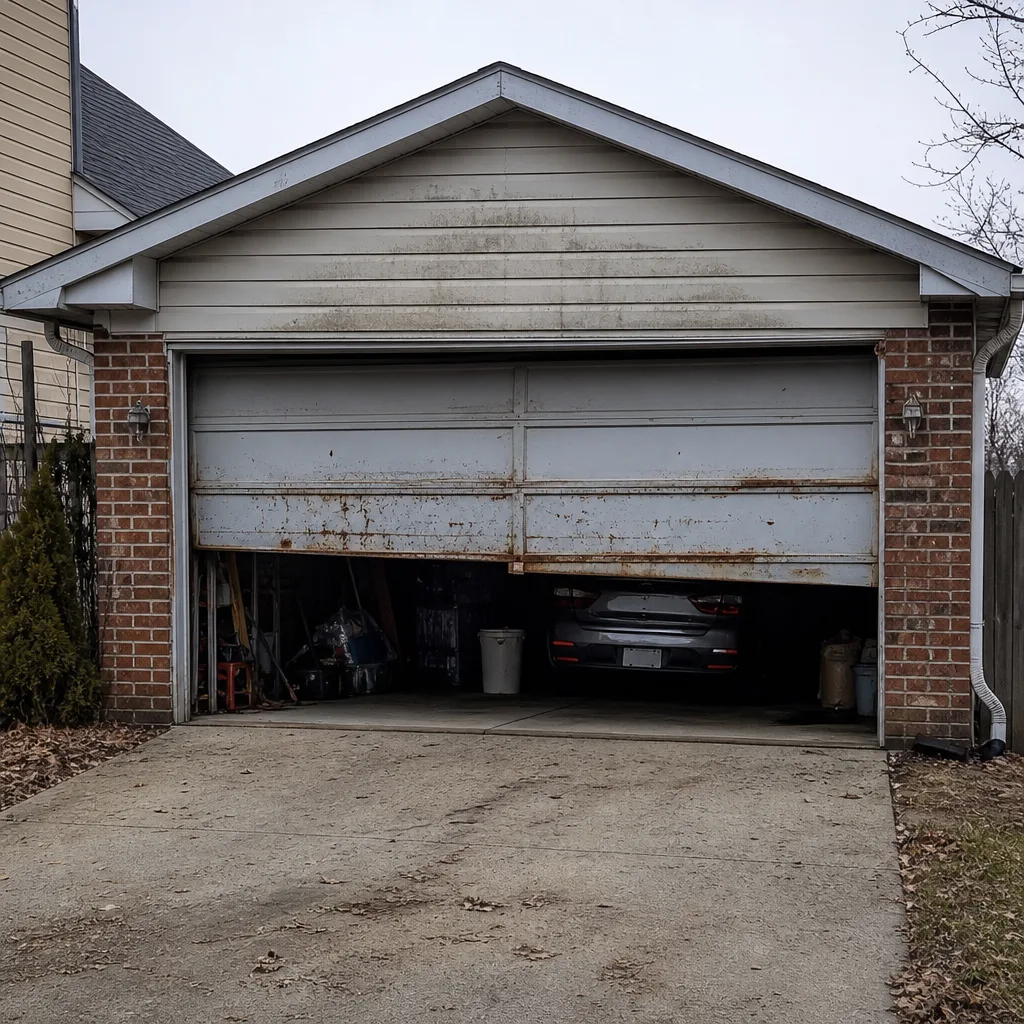 Before
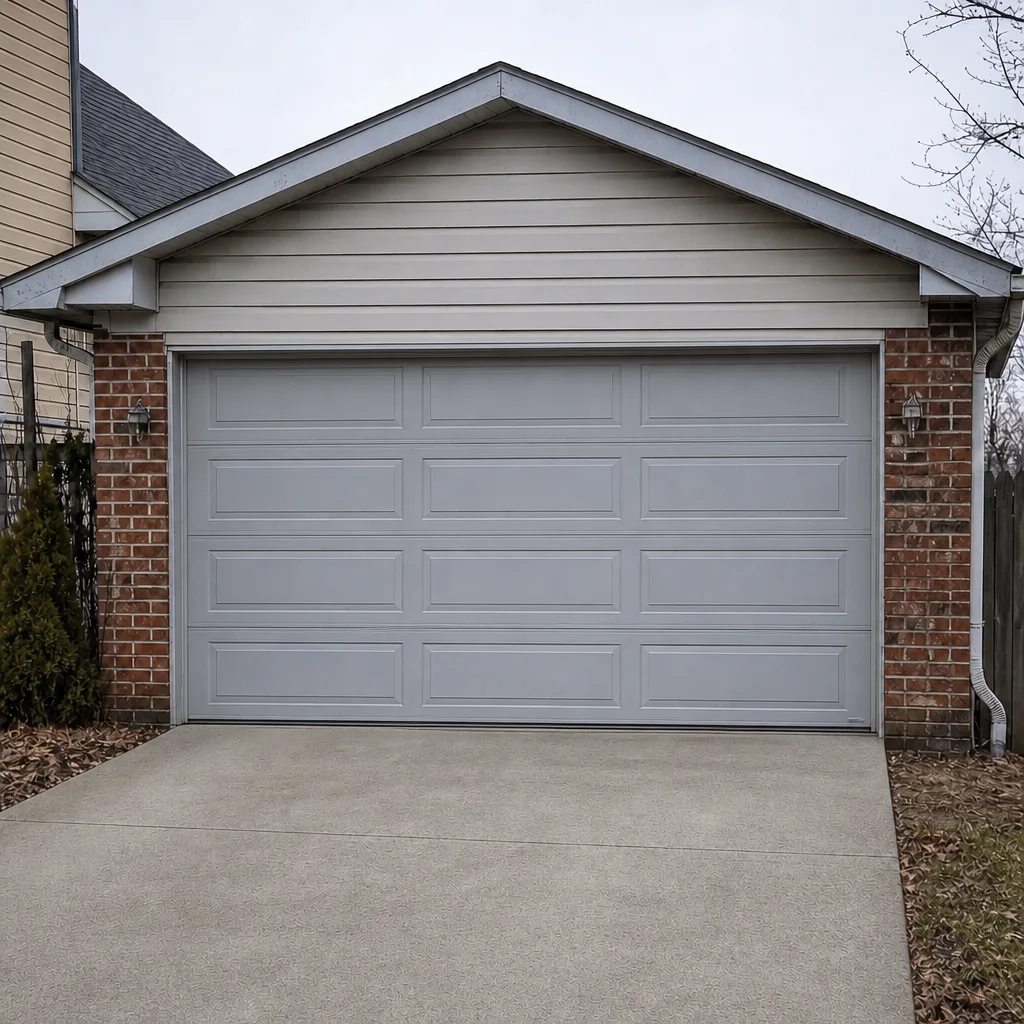 After
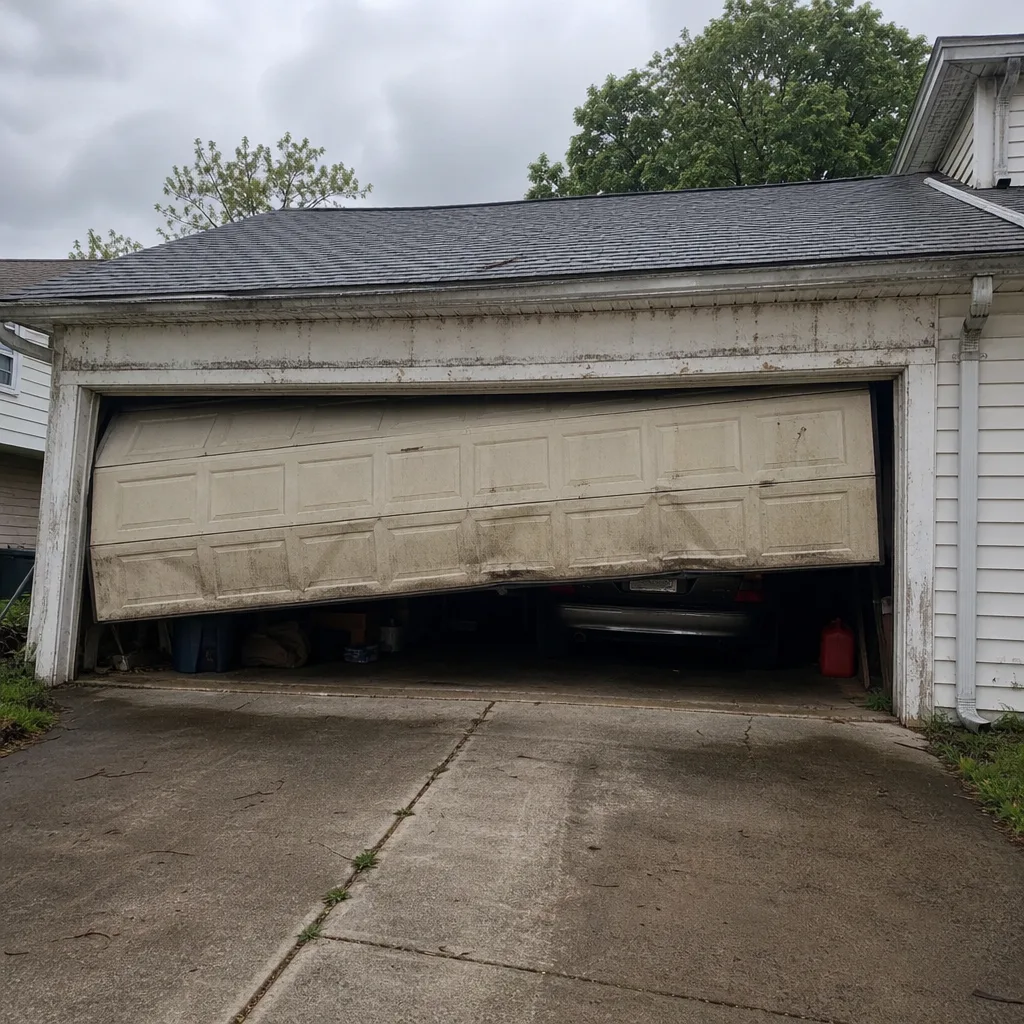 Before
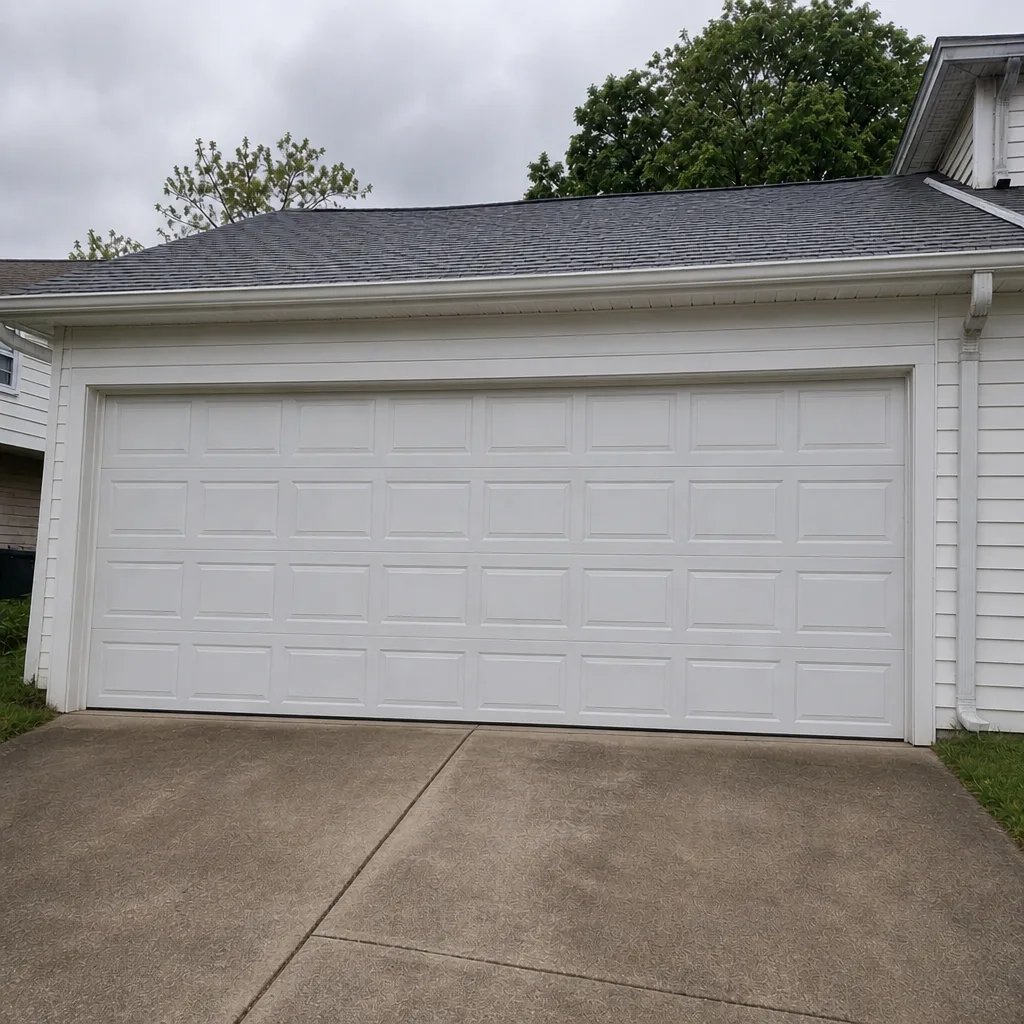 After
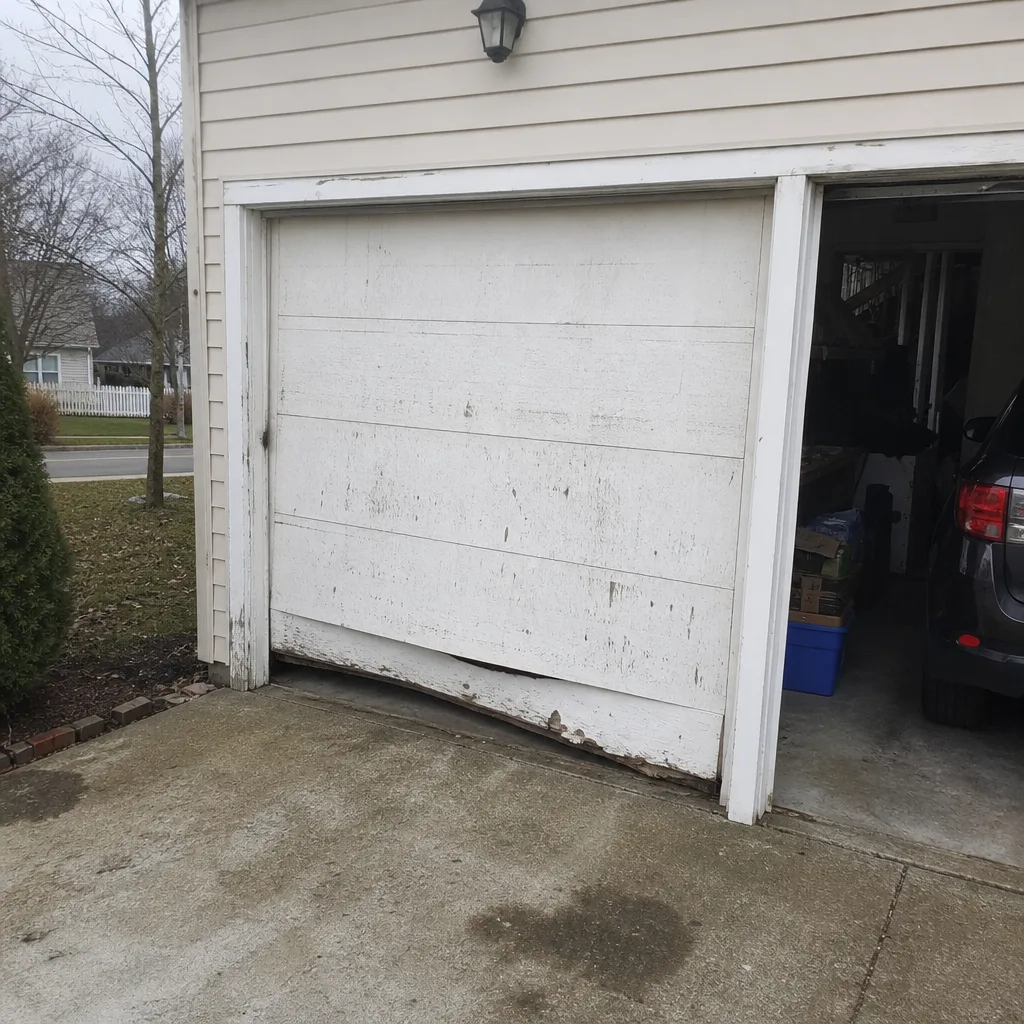 Before
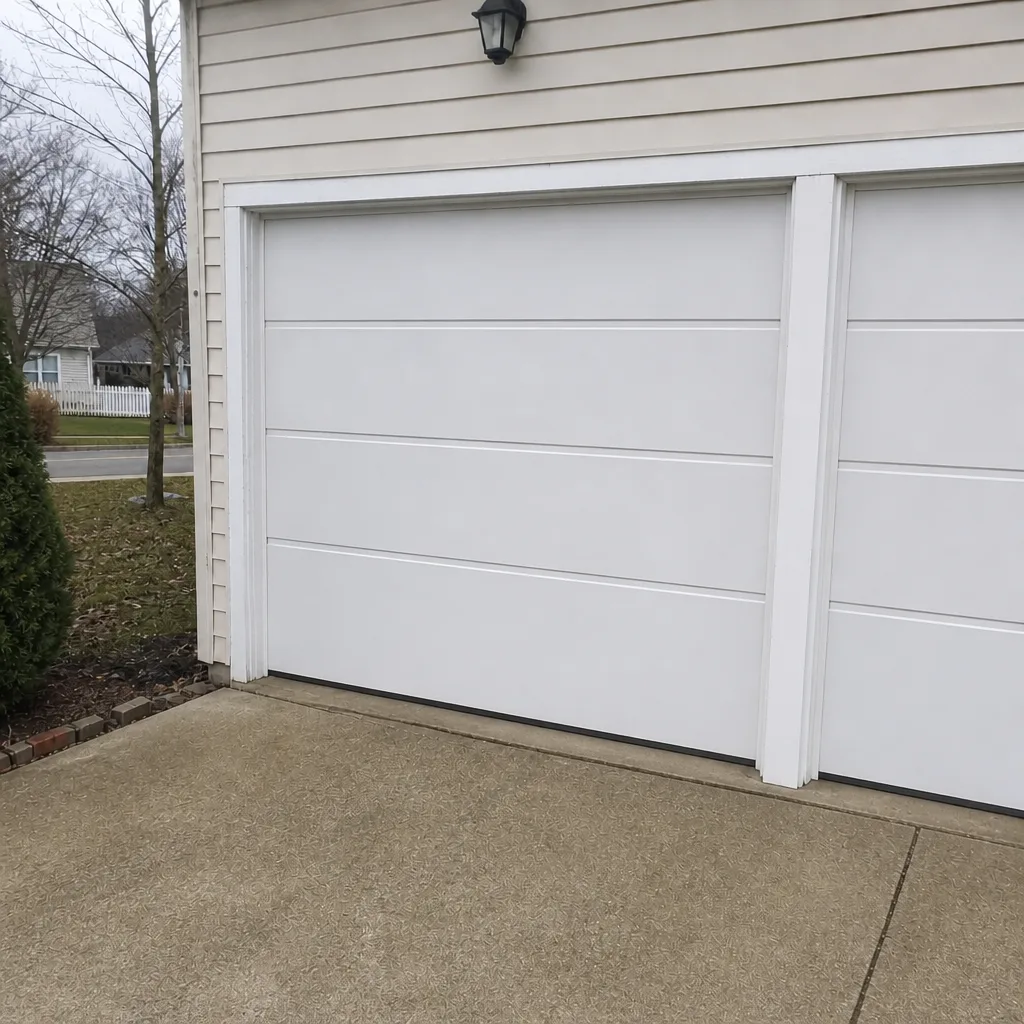 After
Common Mistakes to Avoid
- Hiring a handyman for a spring repair. Spring replacement is one of the highest-risk repairs in the trade, and a general handyman who “can do it” likely doesn’t have the specialized tools, training or safety protocol to do it safely. Springs are not a DIY repair and they’re not a handyman job.
- Choosing the lowest quote without comparing scope. A quote that’s much lower than the others is usually missing parts, a permit, or the labor warranty. Compare line by line, not by the bottom number.
- Skipping the insurance check. A contractor without current general liability insurance leaves you holding the cleanup cost if they damage your house or your neighbor’s property during the job.
- Accepting a verbal warranty. “We stand behind our work” is not a labor warranty. Get the duration, coverage and exclusions in writing before you sign.
- Replacing only one spring when both are the same age. When one spring breaks, the second spring has seen the same number of cycles. A matched pair replacement is usually the smarter long-term call, and a fair contractor will explain why.
- Ignoring the brand authorization question. If the installer isn’t authorized to install your door’s brand, the manufacturer can deny warranty claims even on components that should be covered.
- Not clarifying permit responsibility upfront. Most jurisdictions require a permit for a full door replacement. Get in writing who pulls it and who pays for it as a separate line item on the quote.
- Waiting until a door fails to find a contractor. Vetting takes time. Look for your contractor before you need one, so a broken spring doesn’t pressure you into hiring whoever picks up the phone.
When to Call a Professional
Call a garage door professional when a spring breaks, when a cable snaps, when a door comes off its tracks, when an opener stops responding, when the door reverses unpredictably when closing, or when a door with an opener can’t be opened by hand because it’s too heavy. Each of those scenarios means the door is either unsafe to operate or the opener is at risk of damage. Springs and cables are under extreme tension and can cause serious injury, so keeping hands and tools away from the spring area is critical until a technician arrives.
If the situation can’t wait, Garage Door Repair Odenton offers free estimates in Odenton – call (844) 443-4564. We answer 24/7. Fast dispatch from 7am to 7pm, Sunday through Friday.
Frequently Asked Questions
Request the certificate of insurance directly from the contractor’s insurer, not the contractor, and call the insurer’s phone number listed on the certificate to confirm the policy is active and the coverage limits are adequate for residential work. Verify both general liability and workers’ compensation in the same call. Don’t accept a forwarded PDF or a screenshot without calling the insurer to confirm it’s current.
Ask how they determine the correct spring size for your door, whether they’re authorized for the manufacturer of your door or opener, how they balance the door after spring replacement, and whether they pull a permit for a full replacement. The quality of the answers will tell you whether you’re talking to a garage door specialist or a generalist. Call (844) 443-4564 to get answers to these questions before you decide.
Low quotes typically leave out parts, use undersized springs, skip the permit, or exclude a labor warranty. The finished door looks fine on day one and starts causing trouble six months to a year later, when the savings is gone and the repair cost comes out of your pocket. Compare line items across every quote before you compare the bottom line.
One spring can be replaced individually, but when both springs are the same age and have cycled the same number of times, replacing them as a matched pair is usually the smarter long-term call because the second spring is likely close behind the first. A fair contractor will explain this without pushing the pair replacement as an upsell. Call (844) 443-4564 for an honest assessment of your spring situation.
A proper contract includes every part by brand and model number, the spring specifications, whether a permit is required and who pays for it, the labor warranty duration and terms, the manufacturer warranty details, and the payment schedule. Reject any contract with a broad liability waiver or automatic renewal clause. Don’t sign anything you haven’t read and understood.
Emergency service is meaningful only if the contractor can actually respond. Before you need it, ask whether emergency calls are a core offering or an occasional thing. Ours is a core offering: we answer 24/7, with fast dispatch from 7am to 7pm, Sunday through Friday. A call outside dispatch hours is booked into the next opening, Sunday through Friday, 7am to 7pm.
Yes, it often does. Manufacturer warranties on garage doors and openers commonly specify installation by an authorized dealer or in accordance with the manufacturer’s installation standards. If your installer isn’t authorized, the manufacturer can decline claims on failed parts even if the part itself was defective. Ask about brand authorization before you hire.
The Bottom Line
Hiring the right garage door contractor in Odenton comes down to verifying credentials, asking technical questions that expose real expertise, and reading the contract before you sign. A good contractor will happily provide proof of registration and insurance, explain spring sizing and torque in plain terms, tell you whether they’re authorized for your door’s brand, and provide a written quote that itemizes every part with the labor warranty that covers it. A bad one will rush through the quote, dodge the insurance question and pressure you to decide on the spot. The vetting process takes an afternoon. The consequences of skipping it last far longer. Ask the questions, read the contract, verify the insurance. Then make the call.
Written by the team at Garage Door Repair Odenton.